
Email marketing is a cost-effective and profitable direct marketing channel. It’s said that for every $1 spent on email marketing, the average return is $42. This figure alone should be enough to convince you that email marketing needs to be a key component of your digital marketing strategy.
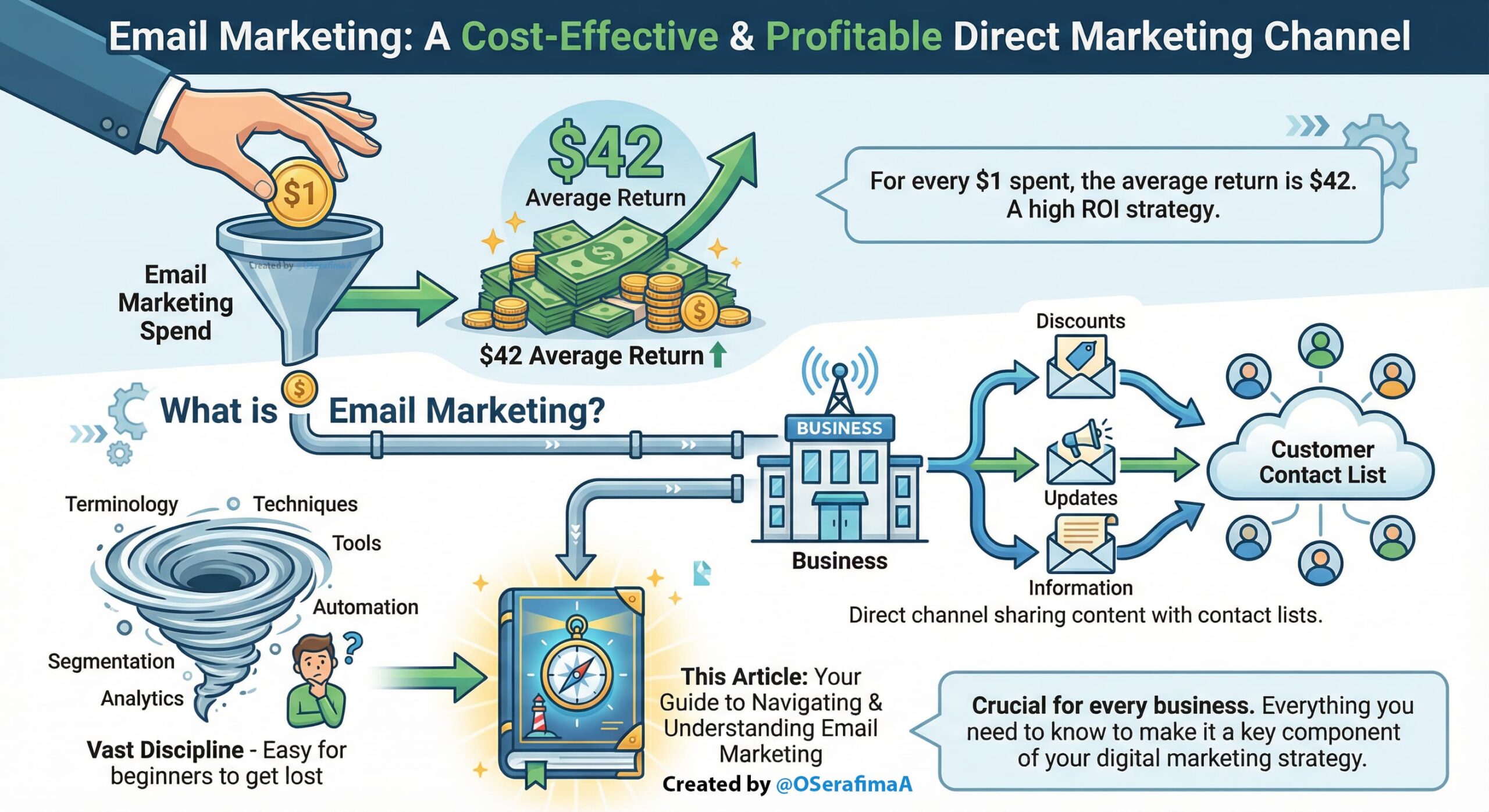
A simple visual guide to what it is, how it works, and why every business needs it.
So, what is email marketing? It’s a vast discipline where it can be easy for beginners to get lost in a sea of terminology, techniques, and tools. This direct marketing channel allows businesses to share discounts and updates with their customer contact list. It’s a high ROI strategy that is crucial for every business.
To help you navigate and understand email marketing better, we’ve created the following article discussing everything you need to know.
Marketing Email Types
The first thing you should remember is that not all marketing emails are created equal. Emails are sent for various reasons. Therefore, marketing emails can be informational, promotional, or serve a purpose for the consumer through the buying process. Let’s take a closer look at the most common marketing email types:
Informational Emails
Informational emails alone can take on many forms. The two most common are newsletters and announcements.
Announcements
Most companies know that one of the easiest ways to inform customers of new products, company announcements, changes to service, etc., is through email. This is especially true for those times your website has a glitch, your software is down, or there are shipping delays. Making sure your email list is updated is the best way to maintain customer communication efficiently. It’s instant, secure, and matches the tone of any announcement.
Newsletters
Just as the name implies, newsletters are the perfect way to share business-related news with your contact list. Think of topics such as new service capabilities, milestones reached, or valuable content such as case studies. The best part is that newsletters can be sent pretty often, for example, monthly, weekly, or biweekly.
It’s also important to note that you don’t have to just use newsletters for news, though. In fact, some experts recommend you treat them like personal letters to subscribers, talking about something that interests them.
To create newsletters that keep subscribers engaged, explore our collection of 250+ free email templates designed for different purposes and audiences.
Promotional Emails
As you may already know, promotional emails are those used to promote new products, special offers, gated content such as webinars and ebooks, or simply your brand in general. Promotional email campaigns usually comprise three to ten emails sent over a period of days or weeks.
These emails are most effective when they have a clear CTA or call-to-action. The CTA encourages the audience to take a specific action. For instance, it may be to redeem a discount coupon or visit your website.
Re-Engagement Emails
The last type of marketing email we’ll discuss is the re-engagement email. These are used to reach customers who have not been active recently or have abandoned their shopping carts. It’s also important to understand what spam is and how to avoid spam filters, so your re-engagement emails actually reach the inbox.
Sometimes, this is the extra nudge they need to visit a company’s stores or website.
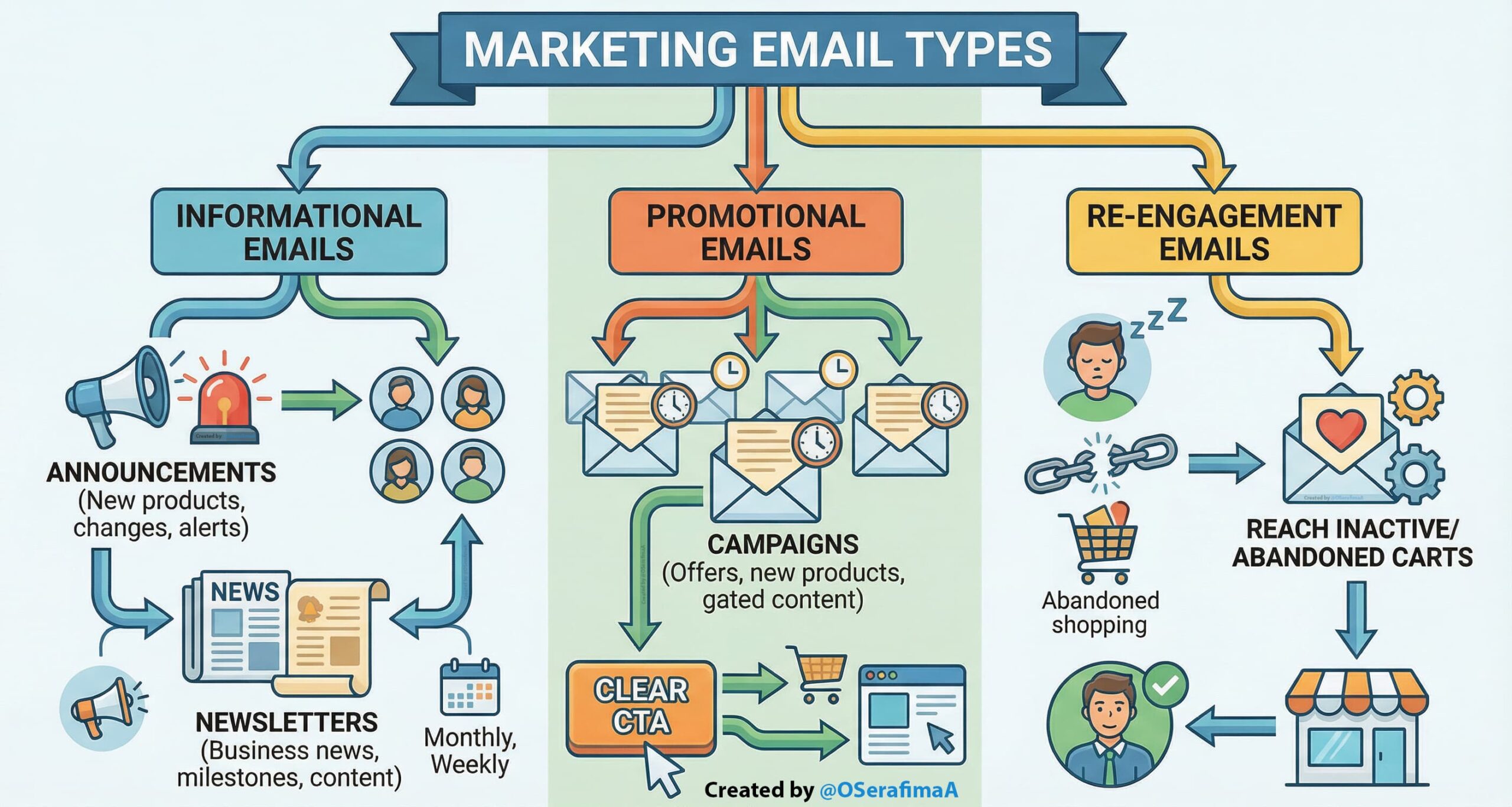
Info → Promos → Re-engagement.
Know the difference and send the right one at the right time.
Why is Email Marketing Beneficial?
From newsletters and discount codes to order and shipment confirmations, emails are crucial for the management and growth of a business.
There are three major ways your business can benefit from email marketing:
#1 Brand Awareness
The thing that makes email so powerful is that it allows you to contact clients directly. It’s a great form of one-on-one communication, and most people don’t just give their email addresses to anyone these days. It’s a curated feed reserved for only their favorite publications and brands.
Email marketing allows you to consistently show up in your subscribers’ inboxes, thus staying current in their minds. And while social media posts are effective, personalized emails are more impactful because you’ll know who has seen your message. The power of personalization in email marketing can dramatically improve engagement and conversion rates.
One of the biggest benefits of adopting email marketing into your digital strategy is scalability. In other words, emails can be sent to mass amounts of people at a lower cost than other marketing channels.
Understanding email marketing efficiency helps you scale your campaigns without breaking the bank while maintaining high deliverability and engagement.
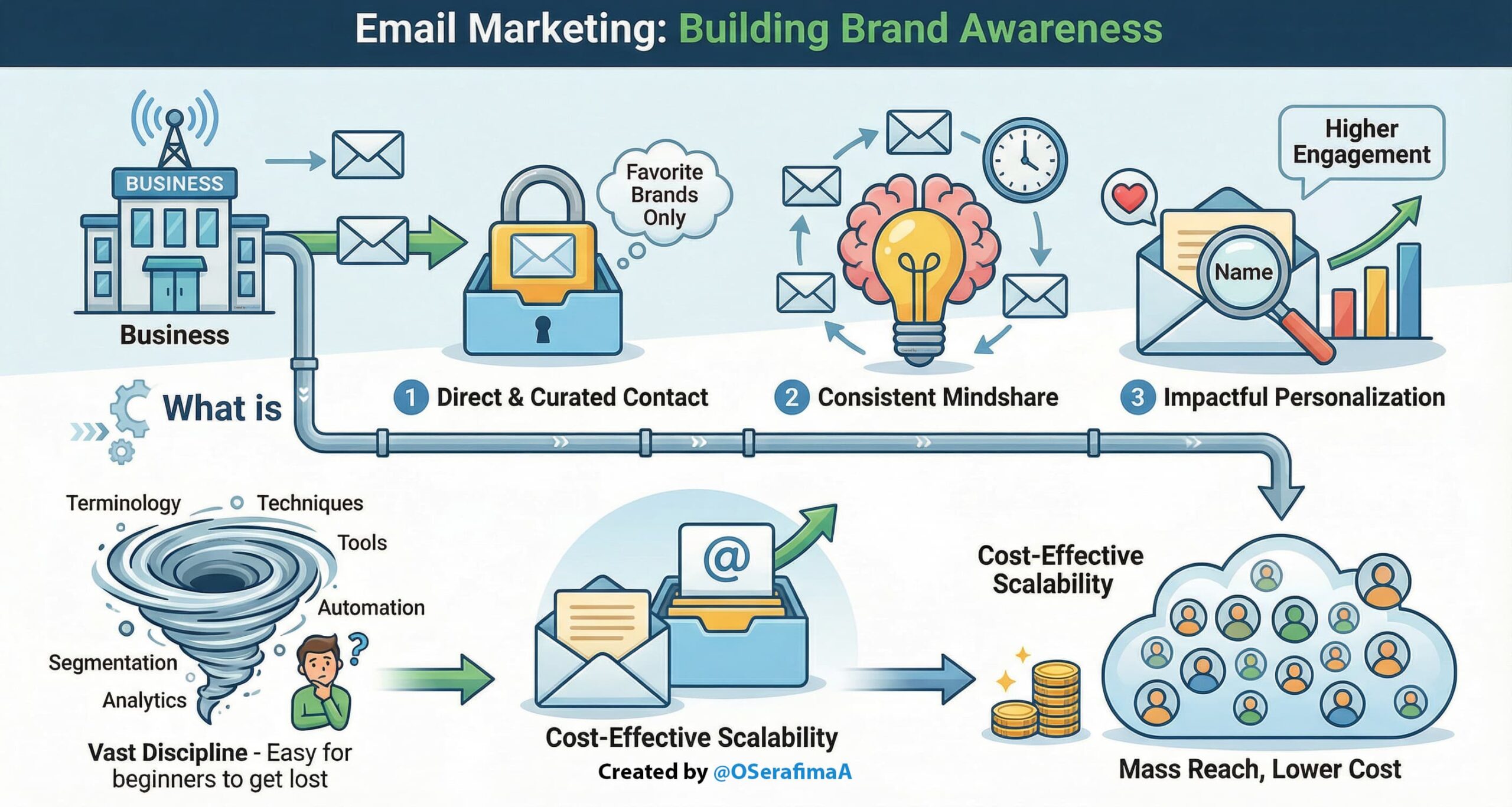
Direct. Personal. Scalable.
Build brand awareness without breaking the bank.
#2 Conversions
Are you launching a promotion or sale? If so, there’s no better time to launch an email marketing campaign! And if you’re looking to further boost your conversions, enable emails for abandoned carts, re-engagement, or even special coupons on subscribers’ birthdays.
#3 Customer Loyalty
Finally, email marketing helps drive customer loyalty at every step of the buying process: nurturing leads, conversions, onboarding, and retention. Moreover, email marketing is an essential tool to use in combination with a sales CRM to further streamline communication.
How to Get Started With Email Marketing
One of the reasons email marketing is so effective is that it’s often automated and fairly intuitive. Yet, it’s also helpful for integrating with other marketing strategies like sales, content marketing, and lead generation.
If you’re looking to kick off your email marketing campaign, ensure that you follow these three steps:
#1 Build an Email List
Your email list comprises the database of subscribers who have opted in to receive email communication from the company. To make the most out of your email campaign, you need an engaged and active list of emails.
If you’re starting from scratch, our comprehensive guide on how to build an email list from scratch will walk you through proven strategies for growing your subscriber base organically.
There are lots of strategies for building an email list. However, one of the easiest is creating a lead magnet or offer that may interest your target audience. For example, offer a coupon or e-book in exchange for their email.
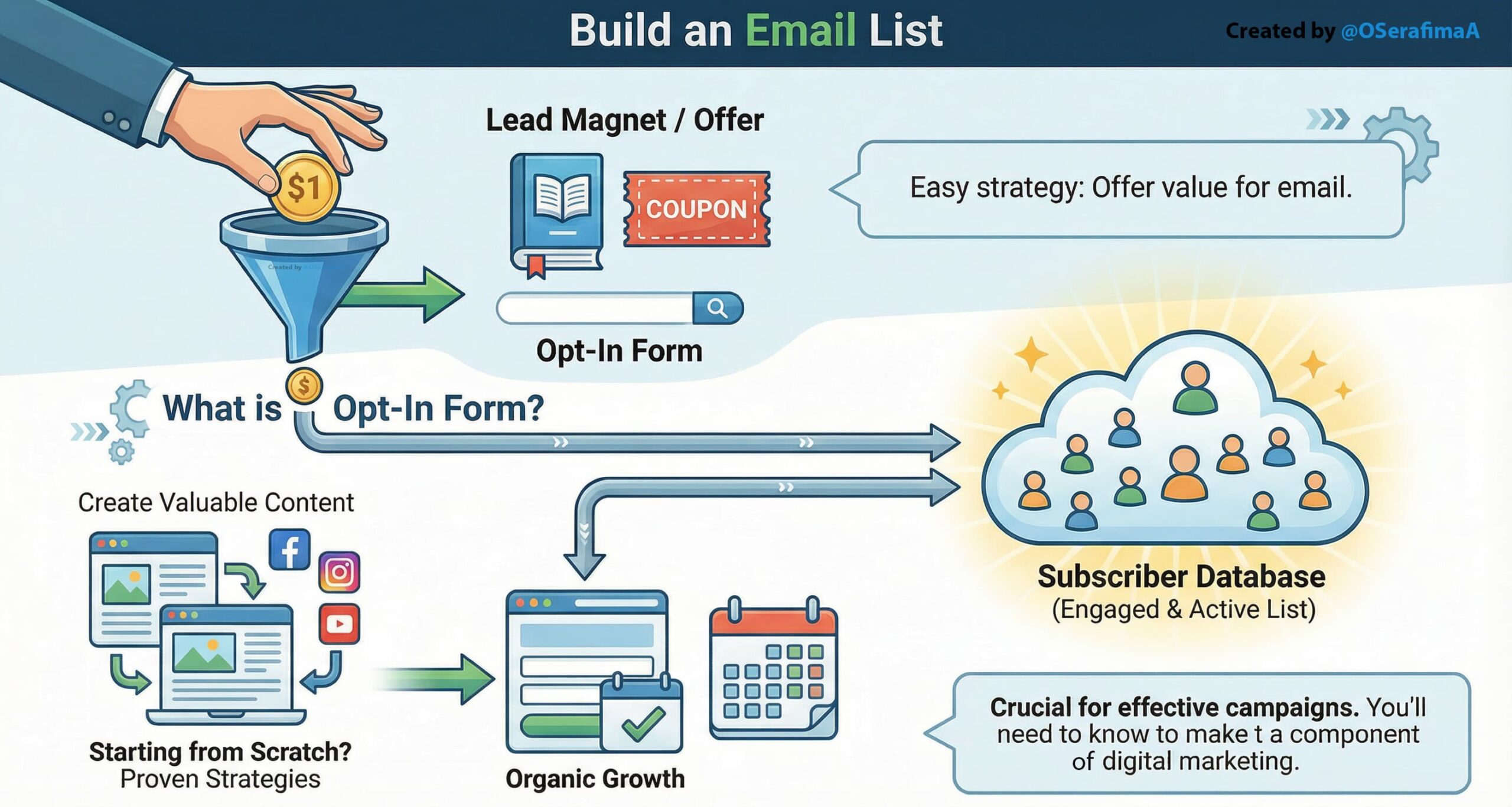
Offer value → Capture emails → Grow organically.
No spam. Just strategy.
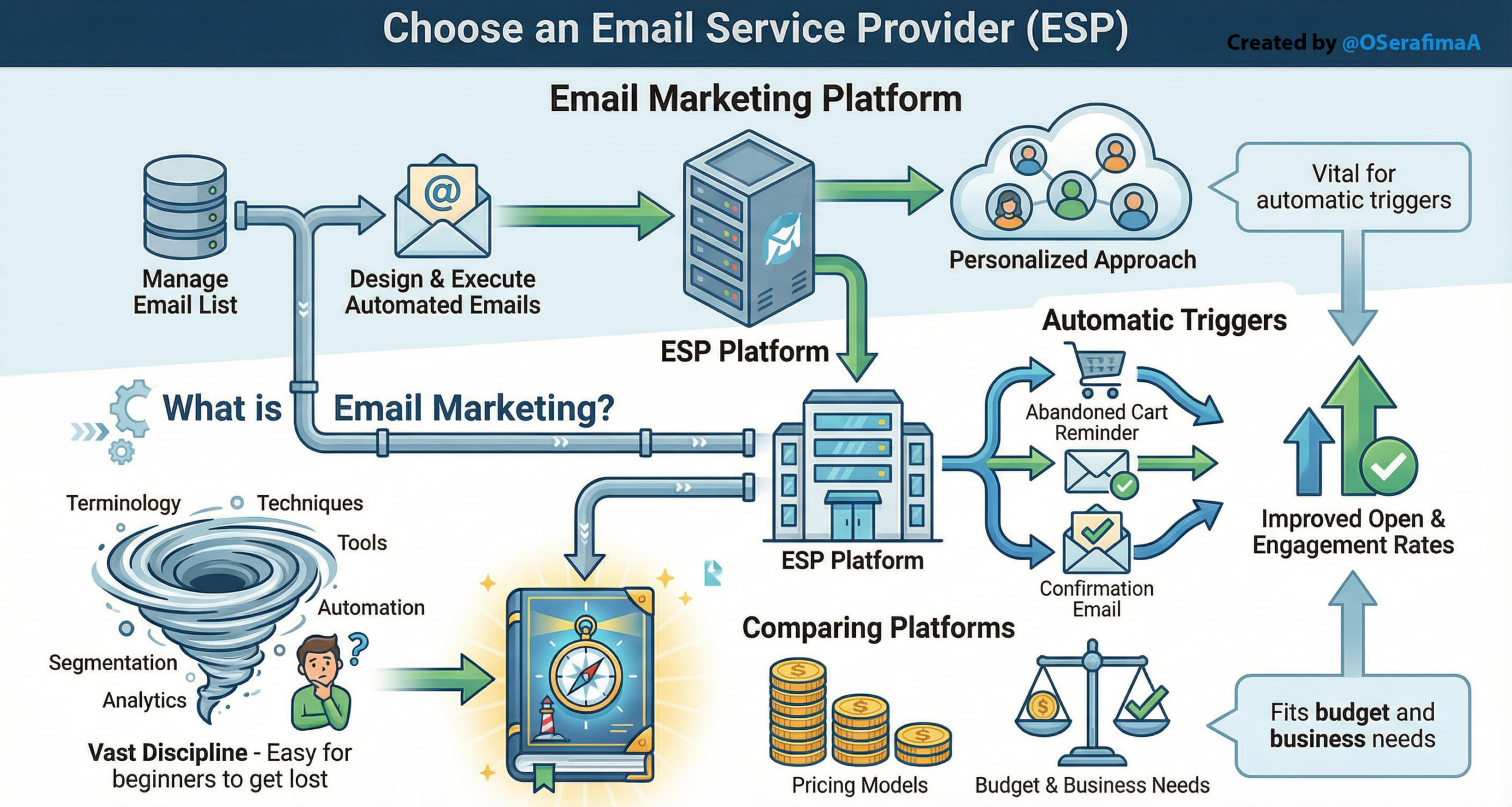
#2 Choose an Email Service Provider (ESP)
An ESP, or email service provider, is also referred to as an email marketing platform. This software is crucial for managing your email list and designing and executing your automated emails.
Using an email service provider is vital because it’s the best way to create automatic triggers when consumers complete your desired actions. For example, this may be sending abandoned cart reminders or confirmation emails to ensure the person wants to subscribe. Either way, these triggers allow you to personalize your approach, which ultimately improves open and engagement rates.
When comparing platforms, it’s important to understand different email marketing pricing models to find one that fits your budget and business needs.
#3 Clearly Define Your Goals
As discussed, email marketing campaigns can help you achieve many business goals. These include:
- Improve brand awareness
- Boost sales
- Generate or nurture leads
- Maintain customer engagement
- Increase customer lifetime value or loyalty
However, it’s important to avoid common email marketing mistakes that can hurt your sales and undermine your campaign effectiveness.
To launch an effective email marketing campaign, your ESP, email list, and goals have to align. Once you’ve reached this point, it’s time to segment the list according to subscriber actions or demographics. Email segmentation is key to higher open rates and better engagement with your audience.
Then you create one email or a series of emails that will encourage the recipient to take action toward your goal. For inspiration, check out these email marketing examples that convert to see what successful campaigns look like in practice.
Finally, all you have to do is use your email service provider to send and monitor your email campaign. Tracking the right numbers is crucial, discover the 10 key email marketing metrics to analyze for data-driven optimization and better results.
If you’re new to this, learn how to start your first email campaign with our step-by-step guide for beginners.
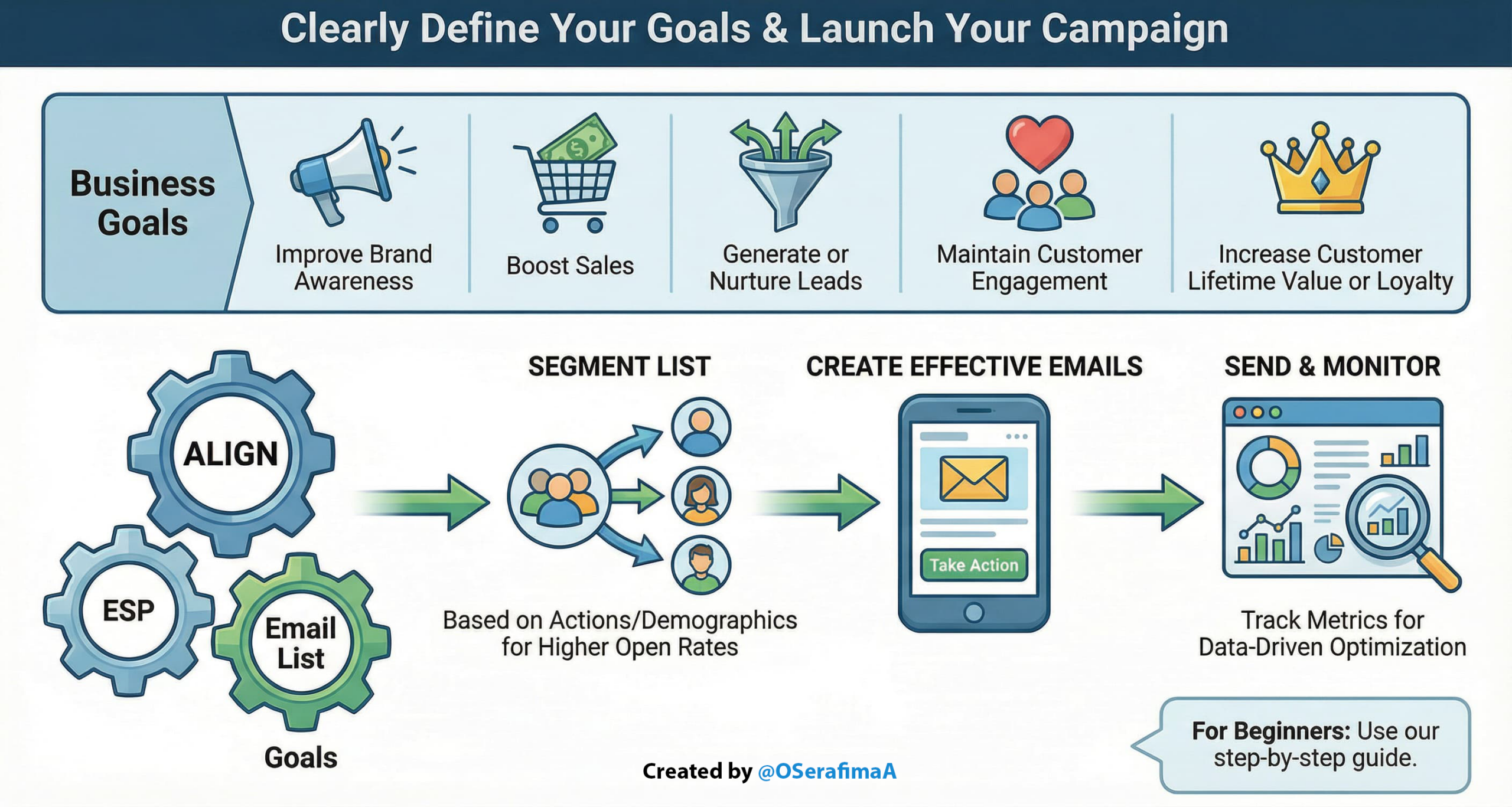
Define goals → Align tools → Segment → Create → Track.
The Bottom Line
At the end of the day, if your company’s digital marketing strategy does not include email marketing, you are leaving money on the table! If you’d like to learn more or get started with email marketing, sign up or contact us at Nova Express
Frequently Asked Questions (FAQ)
What is email marketing and how does it work?
Email marketing is the practice of sending targeted messages to a list of subscribers to promote products, share news, or build customer relationships. It works by collecting email addresses with permission, segmenting the audience, and using an email service provider to send personalized, automated campaigns that drive engagement and sales.
Is email marketing still effective in 2025?
Yes. According to HubSpot, email marketing delivers an average return of $42 for every $1 spent. It remains one of the most cost-effective digital marketing channels, with higher conversion and retention rates than social media.
What are the main types of email marketing?
The main types include:
- Newsletters (regular updates and content)
- Promotional emails (sales, discounts, offers)
- Transactional emails (order confirmations, password resets)
- Automated emails (welcome series, abandoned cart reminders)
- Re-engagement emails (targeting inactive subscribers)
How do I start with email marketing?
Start with three key steps:
- Build an email list using a lead magnet like a free ebook or discount.
- Choose an email service provider to design and automate your campaigns.
- Define clear goals — such as boosting sales, improving engagement, or nurturing leads and align your content with them.
Can email marketing help build customer loyalty?
Yes. By sending personalized content, birthday offers, and helpful updates, you stay top-of-mind and build trust. Over time, this consistent, value-driven communication increases customer lifetime value and strengthens brand loyalty.
Sources
- https://neilpatel.com/blog/beginners-guide-email-marketing
- https://en.wikipedia.org/wiki/Email_marketing
- https://www.business.com/articles/guide-to-email-marketing
- https://www.wgu.edu/blog/what-is-email-marketing2108.html
- https://blog.hubspot.com/marketing/email-marketing-guide
Nova Express Resources
- What is Nova Express?
- How to Start Email Marketing
- How to Start Your First Email Campaign
- Amazon SES Integration Guide
- Mailgun Integration Guide
- Email Warm-Up Guide
- AI Tools for Marketers
- NotebookLM for Marketers
- Nano Banana Pro: The Complete Guide for Marketers 2026
- 2026 Holiday Marketing Calendar
Start building that story today
About the author
Serafima Osovitny is a Marketing Manager at Nova Express, where she focuses on digital marketing, search visibility, content strategy, and marketing workflows. She writes practical guides that help marketing teams research their audiences, develop strategies, and put their plans into action.
Explore her work at serafima.digital and follow her on X: @OSerafimaA.








A beautifully clear and genuinely empowering guide, this article demystifies email marketing in such a warm, approachable way that any business owner can feel confident taking their first steps.