

Every marketer knows the drill: a major holiday is looming, and you’re scrambling to pull together a campaign at the last minute. This usually leads to rushed copy, lackluster designs, and missed revenue opportunities.
The solution is simple, yet it requires discipline: plan ahead. A strategic holiday calendar transforms reactive chaos into a streamlined process. It grants you the time to craft irresistible offers, develop high-impact visuals, and build genuine anticipation with your audience.
This comprehensive guide covers every major holiday and shopping event in 2026, featuring strategic timing recommendations, real-world campaign examples, and proven tactics. New to email marketing? Start with our beginner’s guide to email marketing first.
Why Holiday Email Marketing Matters More Than Ever
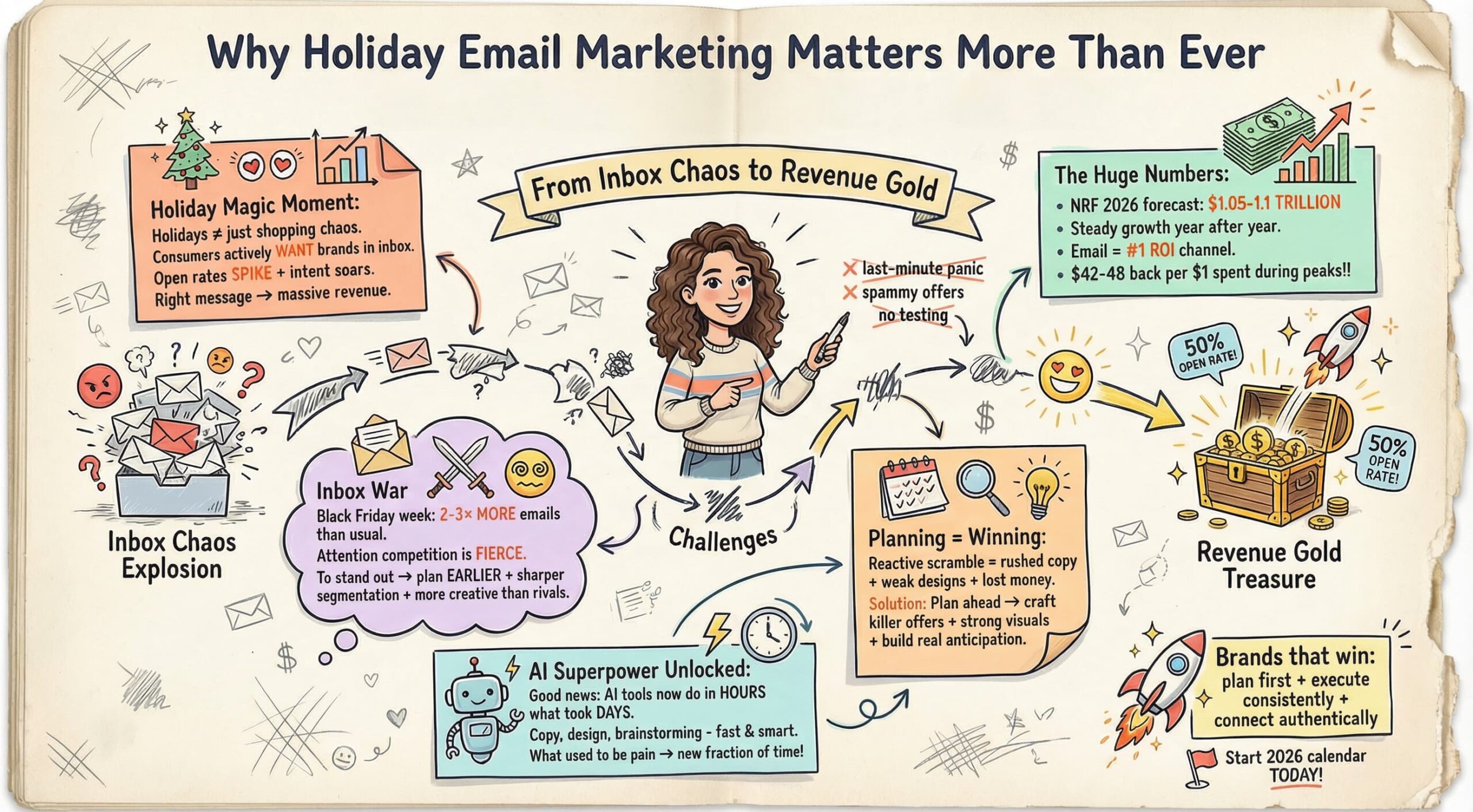
Holiday periods are more than just busy shopping windows; they represent the time when consumers actively want to hear from brands. Open rates spike, purchase intent soars, and the right message at the right moment can drive significant revenue.
Consider the numbers: In 2025, holiday sales surpassed $1 trillion for the first time, with steady growth continuing into 2026. Email remains the highest-ROI channel for capturing this demand, delivering an average return of $36–$42 for every dollar spent, often higher during peak holiday periods.
However, competition for inbox attention is fierce. During Black Friday week, consumers receive two to three times more emails than they do during the rest of the year. Standing out requires earlier planning, sharper segmentation, and a more creative approach than the competition.
The good news? AI-powered tools like Nova Express now make it possible to plan and execute holiday campaigns in a fraction of the time.
Holiday Spending at a Glance
Before diving into the calendar, here’s how the major US holidays stack up by consumer spending:
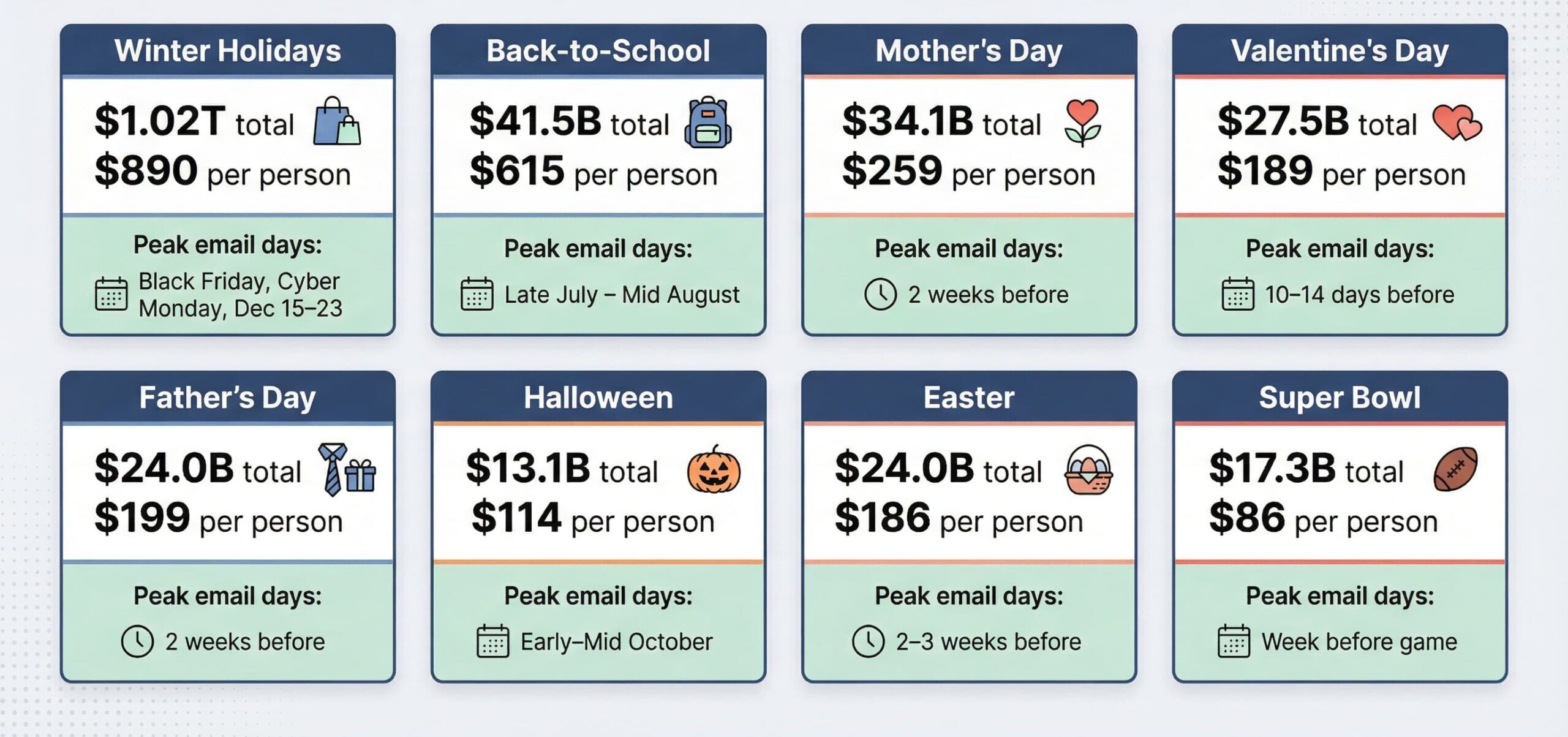
These numbers represent massive opportunities, but only for brands that plan ahead and execute strategically.
Q1: Fresh Starts and Heartfelt Connections
The first quarter sets the tone for the year, moving from resolution-driven January through the romance of Valentine’s Day and into early spring celebrations.
January
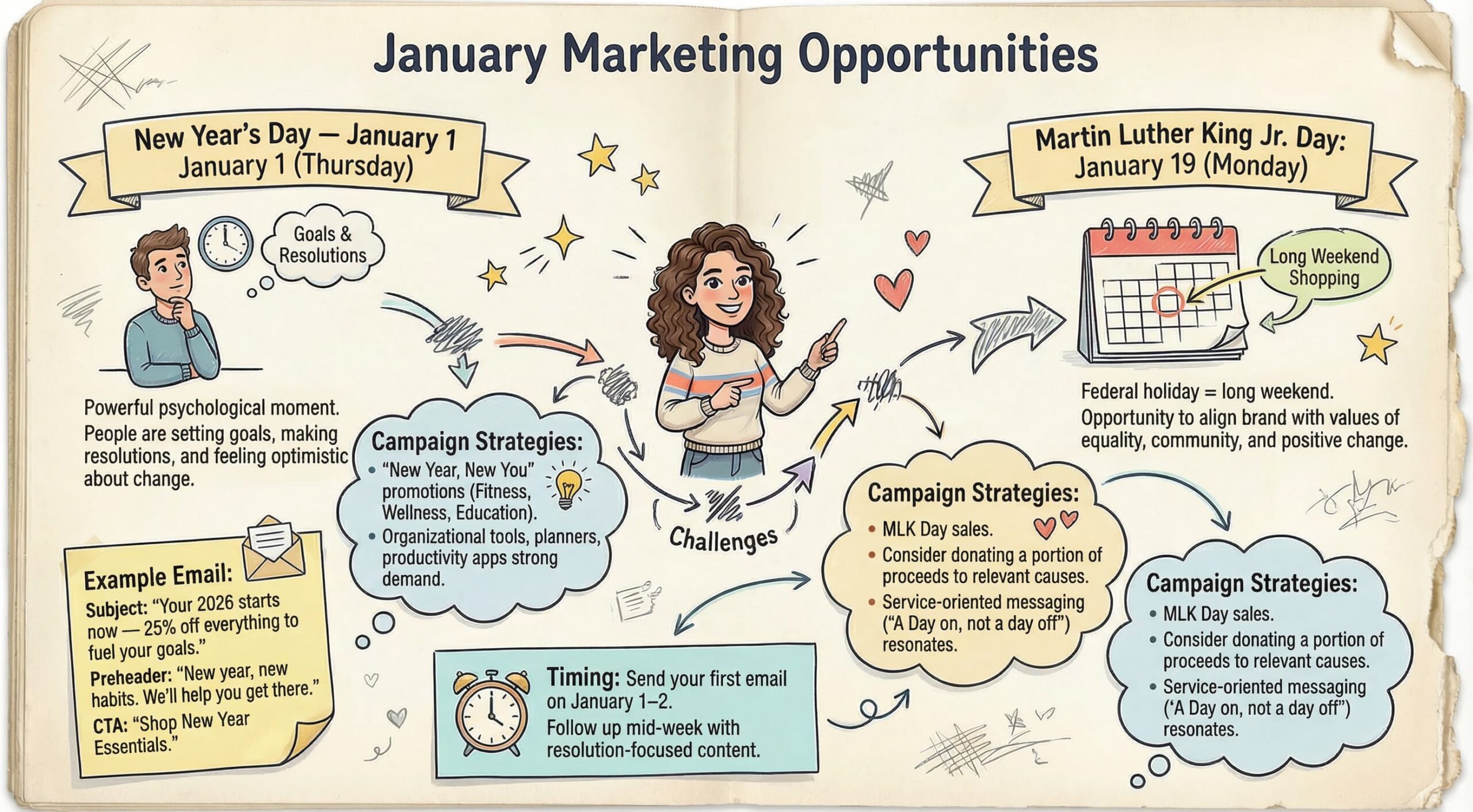
New Year’s Day — January 1 (Thursday)
The year opens with a powerful psychological moment. People are setting goals, making resolutions, and feeling optimistic about change. This mindset creates opportunities across numerous product categories.
Campaign strategies: “New Year, New You” promotions work well for fitness, wellness, education, and self-improvement products. Organizational tools, planners, and productivity apps see strong demand.
Example email:
– Subject: “Your 2026 starts now — 25% off everything to fuel your goals.”
– Preheader: “New year, new habits. We’ll help you get there.”
– CTA: “Shop New Year Essentials.”
Timing: Send your first email on January 1–2. Follow up mid-week with resolution-focused content.
Martin Luther King Jr. Day: January 19 (Monday)
This federal holiday means a day off for many Americans and a long weekend for shopping. It’s also an opportunity to align your brand with the values of equality, community, and positive change.
Campaign strategies: Many retailers run MLK Day sales. If participating, consider donating a portion of the proceeds to relevant causes. Service-oriented messaging (“A Day on, not a day off”) resonates with socially conscious consumers.
February
Super Bowl Sunday: February 8 (Sunday)
The biggest single-day event in American sports. Americans spent $17.3 billion on Super Bowl-related purchases in 2025. Even non-sports fans gather for the commercials and halftime show.
Campaign strategies: Party supplies, snack foods, TVs, and home entertainment peak around this date. “Game Day Essentials” emails perform well.
Timing: Start campaigns 1–2 weeks before. Send a final reminder on Saturday or Sunday morning.
Segmentation tip: Target customers who purchased party supplies or electronics last year with early VIP access.
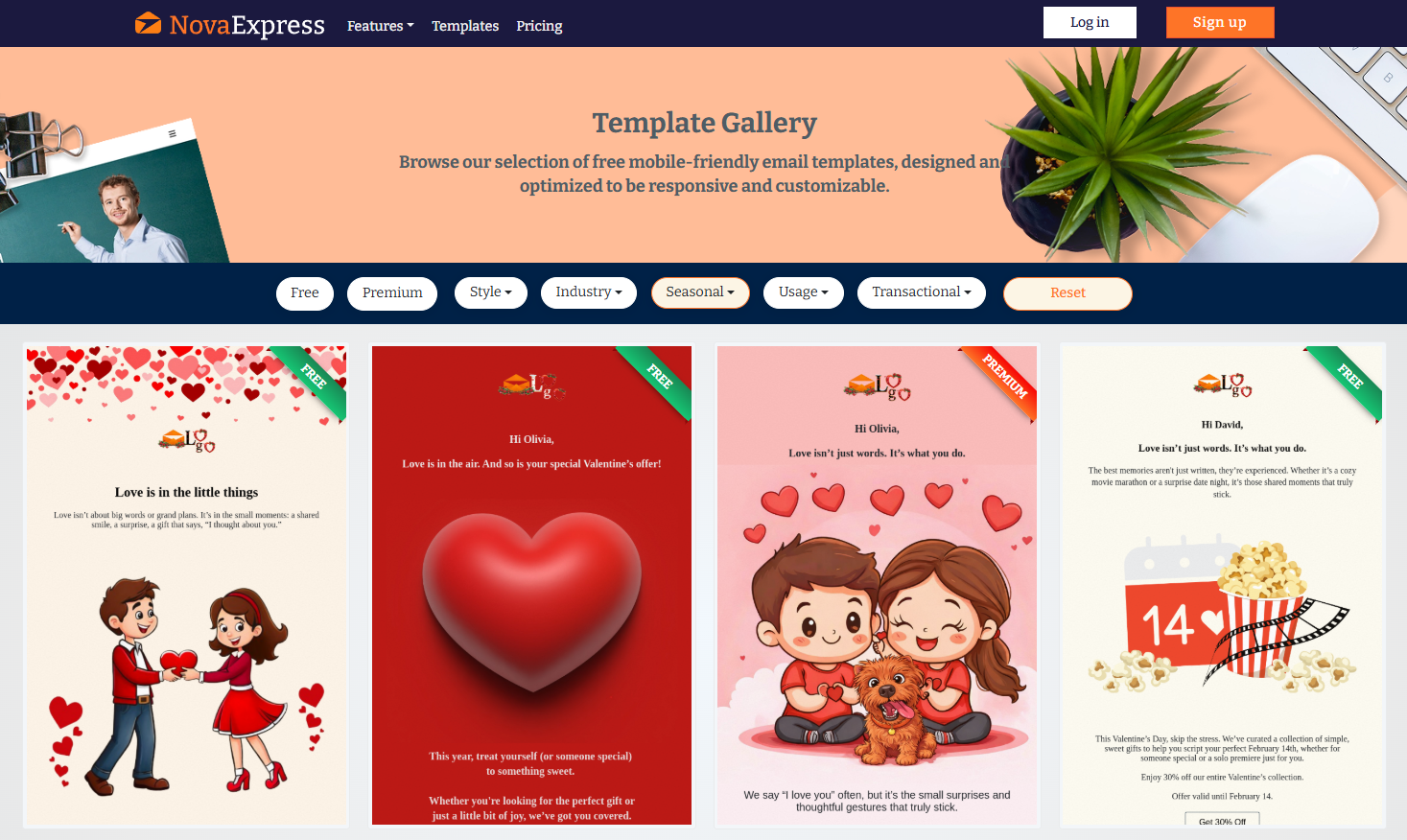
Valentine’s Day: February 14 (Saturday)
One of the biggest gifting holidays of the year. Consumers spent a record $27.5 billion on Valentine’s Day in 2025, with average spending of $189 per person. Jewelry, flowers, candy, and experiences lead the categories.
Campaign strategies:
- Gift guides by relationship type (partners, friends, family, self-love).
- Last-minute options for procrastinators.
- Anti-Valentine’s messaging (if it fits your brand).
For persuasive copy that converts, apply Dan Kennedy’s proven email principles.
Example email sequence:
– 14 days before (Jan 31): “Valentine’s Gift Guide: Find the perfect match.”
– 7 days before (Feb 7): “Still searching? Top picks under $50.”
– 3 days before (Feb 11): “Last call for delivery by Feb 14. 💝”
–Feb 14: “Forgot? Gift cards delivered instantly.”
Automation idea: Set up abandoned cart recovery with urgency messaging: “Only 48 hours left for Valentine’s delivery; complete your order now.”
Presidents’ Day: February 16 (Monday)
Presidents’ Day is a three-day weekend when customers buy big items, such as furniture, mattresses, cars, and appliances. If you’re in these categories, this is your moment.
Campaign strategies:
– Run straightforward sales with patriotic messaging if it fits your brand.
– Bundle offers (mattress + free pillows) or payment plans, work as well as discounts.
– Subject line example: “Presidents’ Day Sale: Save on [category] this long weekend 🇺🇸.”
Timing:
– Thursday (Feb 12): Start campaigns
– Saturday morning: Reminder email
– Monday morning: Final push
Segmentation:
Target customers who bought during last year’s Presidents’ Day or Memorial Day sales, and they shop these weekends.
Pro tip: Presidents’ Day comes right after Valentine’s Day. Try: “Treat yourself this Presidents’ Day weekend.”
March
As winter fades, consumers shift attention toward spring celebrations and fresh starts.
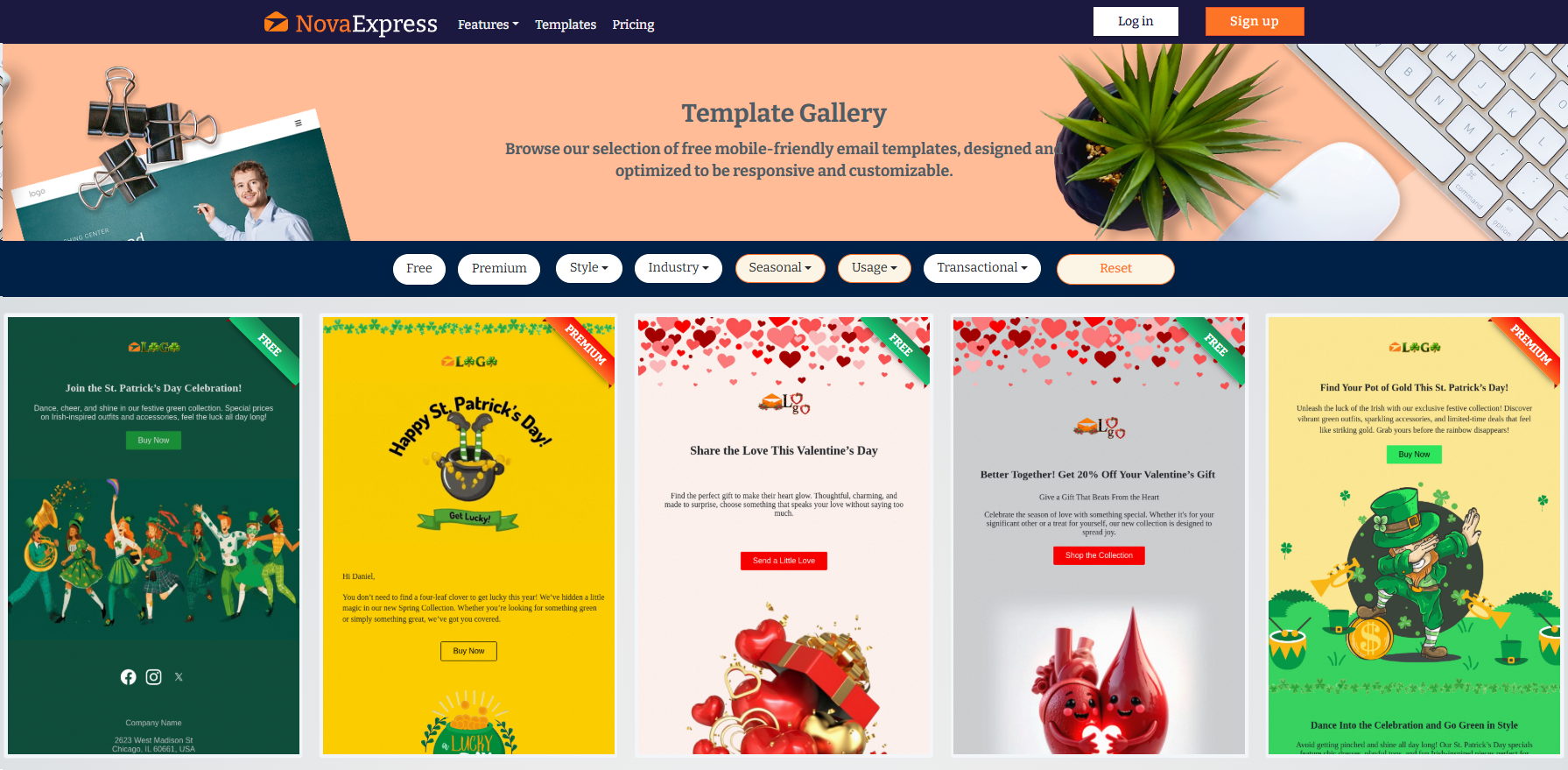
St. Patrick’s Day: March 17 (Tuesday)
A fun, celebratory holiday with a strong visual identity (green everything) and party associations.
Example email:
– Subject: “Feeling lucky? 17% off for St. Patrick’s Day.”
– Preheader: “No blarney, just real savings.”
– CTA: “Get Lucky.”
March Madness: Mid-March through Early April
The NCAA basketball tournament captivates sports fans for weeks.
Campaign strategies: Bracket-style product competitions and sports viewing party supplies. Consider gamification: let customers vote on which products get discounted in your “Final Four Sale.” For proven tactics and interactive elements that boost engagement, check out our guide on crafting a winning Easter email campaign.
Q2: Celebrating Family and Kicking Off Summer
The second quarter brings emotionally resonant holidays centered on family appreciation and the transition into summer.
April
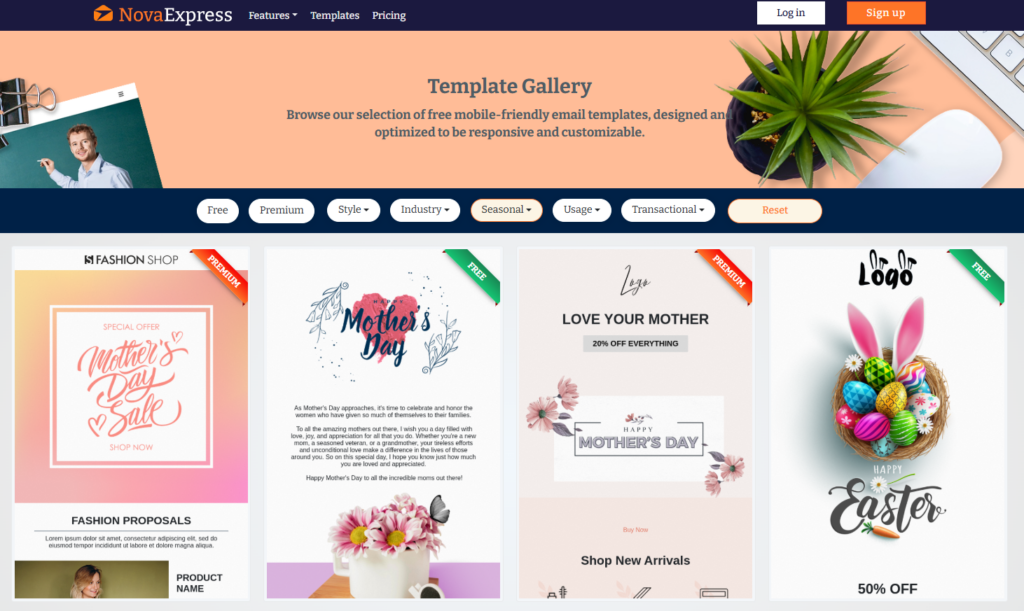
Easter Sunday: April 5
One of the main springtime holidays, Easter combines religious customs with secular festivities. Easter spending hit $24 billion in 2025, which boosted demand for candy, decorations, spring clothing, and family-friendly items.
Campaign strategies: Easter gift guides, spring collection launches, and egg-hunt-themed gamification.
Timing: Begin campaigns 2–3 weeks before. Holy Week (March 30–April 5) is peak shopping time.
Example email:
– Subject: “Hop to it Easter favorites up to 30% off 🐰”
– Preheader: “Baskets, brunch, and spring style await.”
Earth Day: April 22 (Wednesday)
Environmental consciousness continues growing, especially among Gen Z and Millennial consumers.
Campaign strategies: Showcase eco-friendly products, share your brand’s sustainability initiatives, and run plant-a-tree promotions. Avoid greenwashing. Consumers are savvy and skeptical.
Example email:
– Subject: “One purchase = one tree planted 🌳”
– Preheader: “Celebrate Earth Day with us (and the planet).”
May
Cinco de Mayo: May 5 (Tuesday)
A vibrant celebration of Mexican culture that’s become a mainstream American party holiday.
Campaign strategies: Mexican food and beverage products, party supplies. Bright, colorful email designs stand out. Be culturally respectful.
Mother’s Day: May 10 (Sunday)
The third‑largest holiday by total spending in the U.S. In 2025, holiday expenditures reached a record $34.1 billion, 30% more than Father’s Day, with an average spend of $259 per person.
Campaign strategies: Gift guides across price points, experience gifts, and subscription services. Emotional messaging about appreciation works well. Consider inclusive messaging acknowledging different family structures. Looking for proven strategies? Our 11 tactics to win moms’ hearts and sales guide breaks down what actually works.
Example email sequence:
– 14 days before (Apr 26): “Mother’s Day Gift Guide: Show mom you care.”
– 7 days before (May 3): “Still shopping? Top picks moms actually want.”
– 3 days before (May 7): “Last call for delivery by May 10 💐.”
– May 10: “Forgot? E-gift cards delivered instantly.”
Segmentation tip: Create segments for “bought Mother’s Day gifts last year” vs. “never purchased in May” and tailor messaging accordingly.
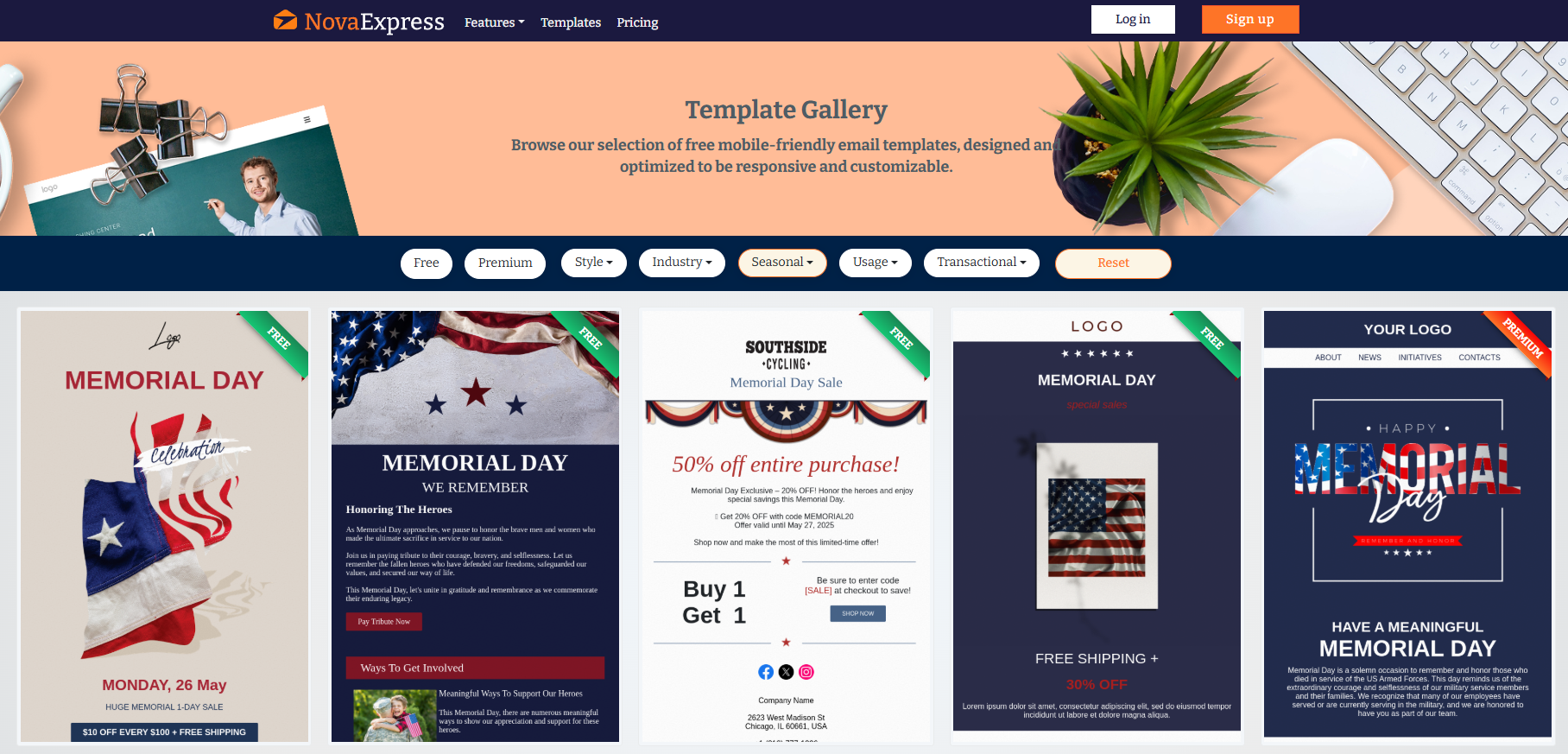
Memorial Day: May 25 (Monday)
The unofficial start of summer and a major sale weekend.
Campaign strategies: Memorial Day sales are expected to drive strong traffic. Summer kickoff messaging, outdoor living products, vacation prep. Balance promotional content with respectful acknowledgment of the holiday’s meaning. See our Memorial Day email guide for examples that strike the right balance between promotion and respect.
June
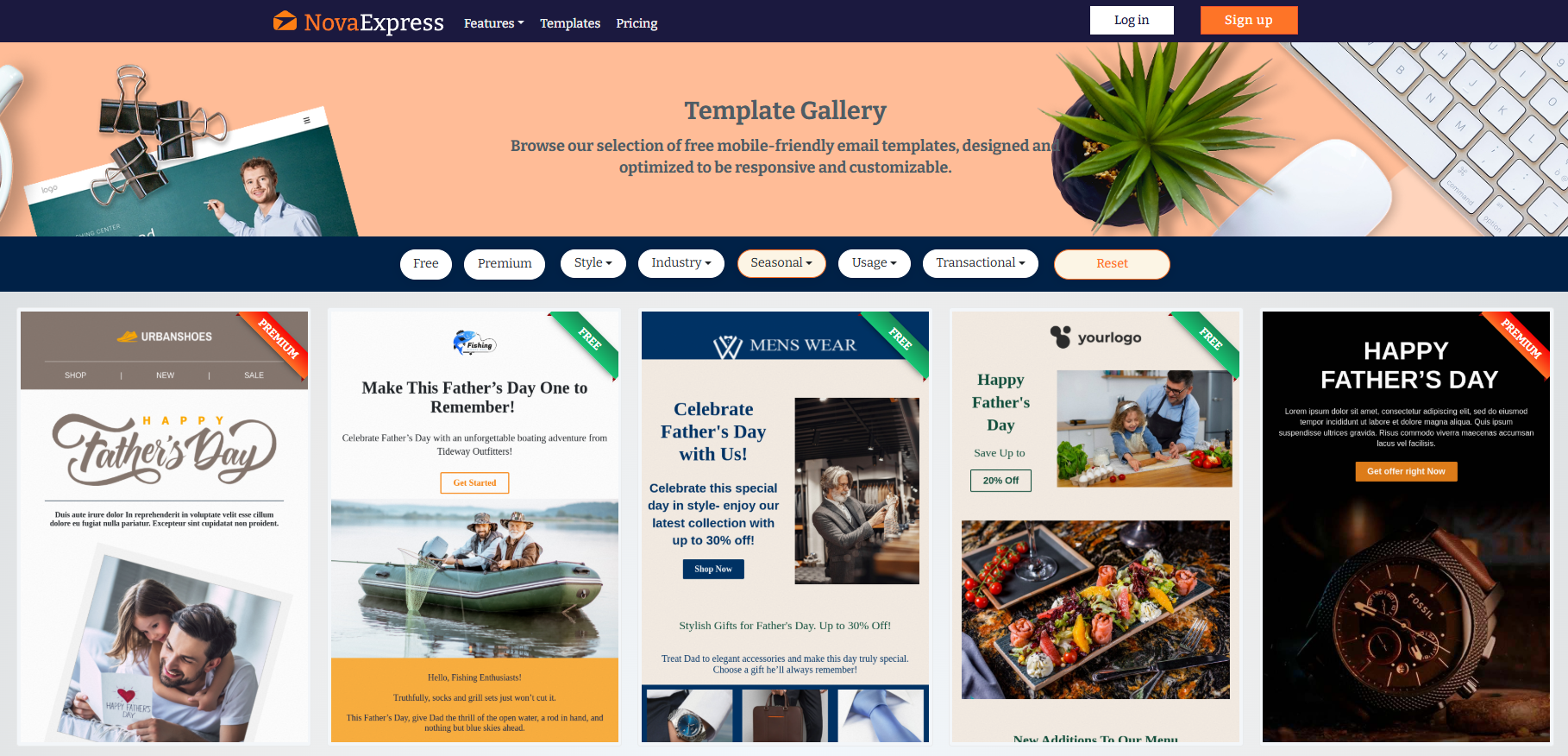
Father’s Day: June 21 (Sunday)
Record spending of $24 billion in 2025, with average spending of $199 per person. Top categories: electronics ($82 avg), apparel ($56 avg), and sporting goods ($49 avg).
Campaign strategies: Gift guides by interest (the golfer dad, the tech dad, the grill master). Humor works well; dad jokes are on brand. For more creative angles and proven copy, explore our Father’s Day email guide.
Example email:
– Subject: “Dad jokes are free. Dad’s gifts are 25% off.”
– Preheader: “He’ll groan at the pun but love the present.”
– CTA: “Shop Dad’s Favorites.”
Q3: Summer Fun and Back-to-School Rush
Summer brings America’s biggest patriotic celebration, followed by the massive back-to-school shopping season. Summer campaigns require a different tone, lighter, more playful, and vacation-focused. Our summer newsletter ideas guide offers creative concepts for keeping engagement high during slow months.
July
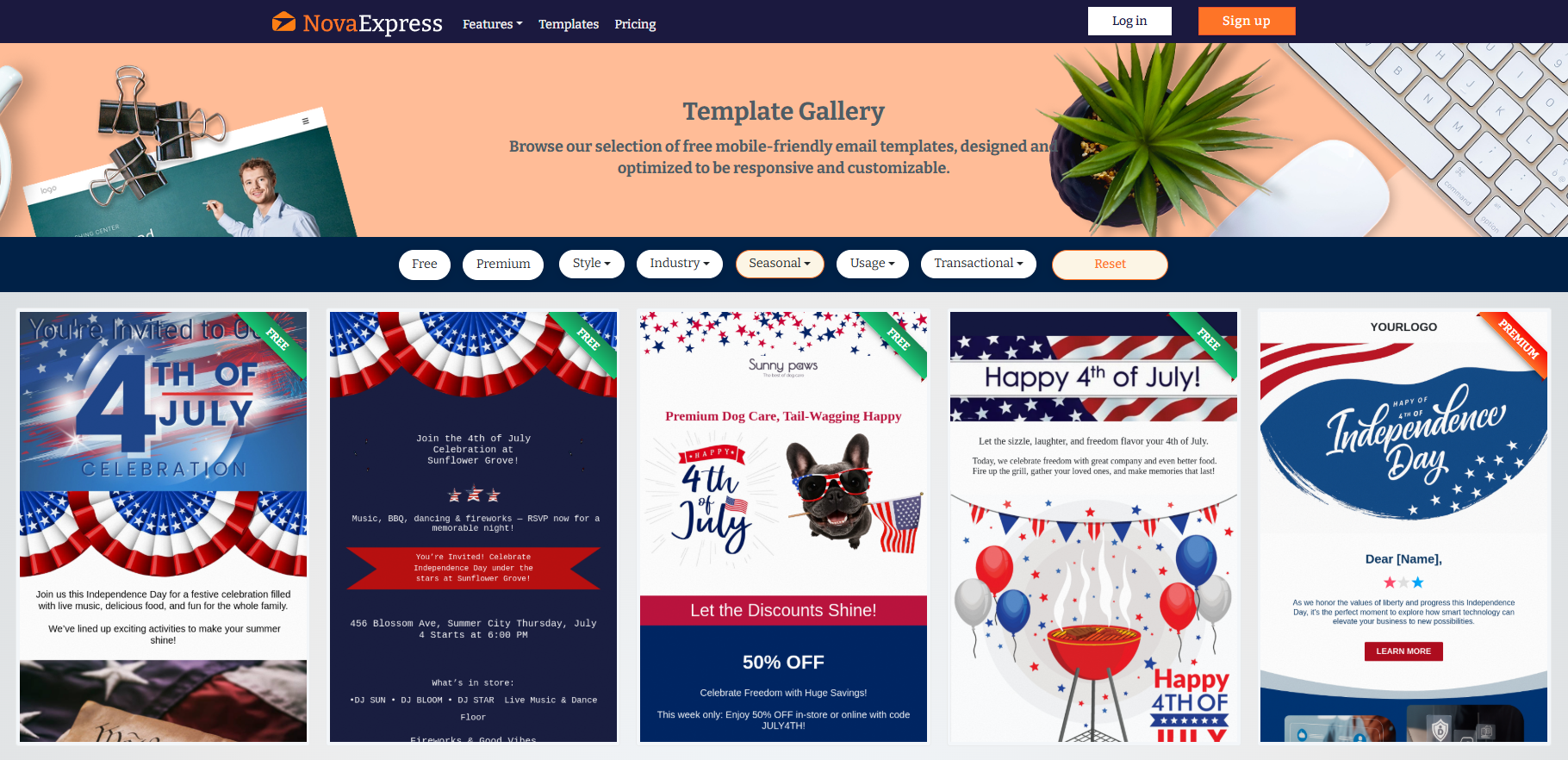
Independence Day: July 4 (Saturday)
America’s biggest summer holiday. The Saturday date in 2026 means an extended celebration weekend.
Campaign strategies: Red, white, and blue-themed promotions, summer entertaining products, and outdoor recreation gear.
Example email:
– Subject: “Freedom to save: 25% off this July 4th weekend 🇺🇸”
– Preheader: “Celebrate with deals that spark joy (and savings).”
Timing: Send emails the week before, with final reminders July 2–3. Need inspiration? Check out the 10 best 4th of July email campaigns for creative ideas and proven templates.
August
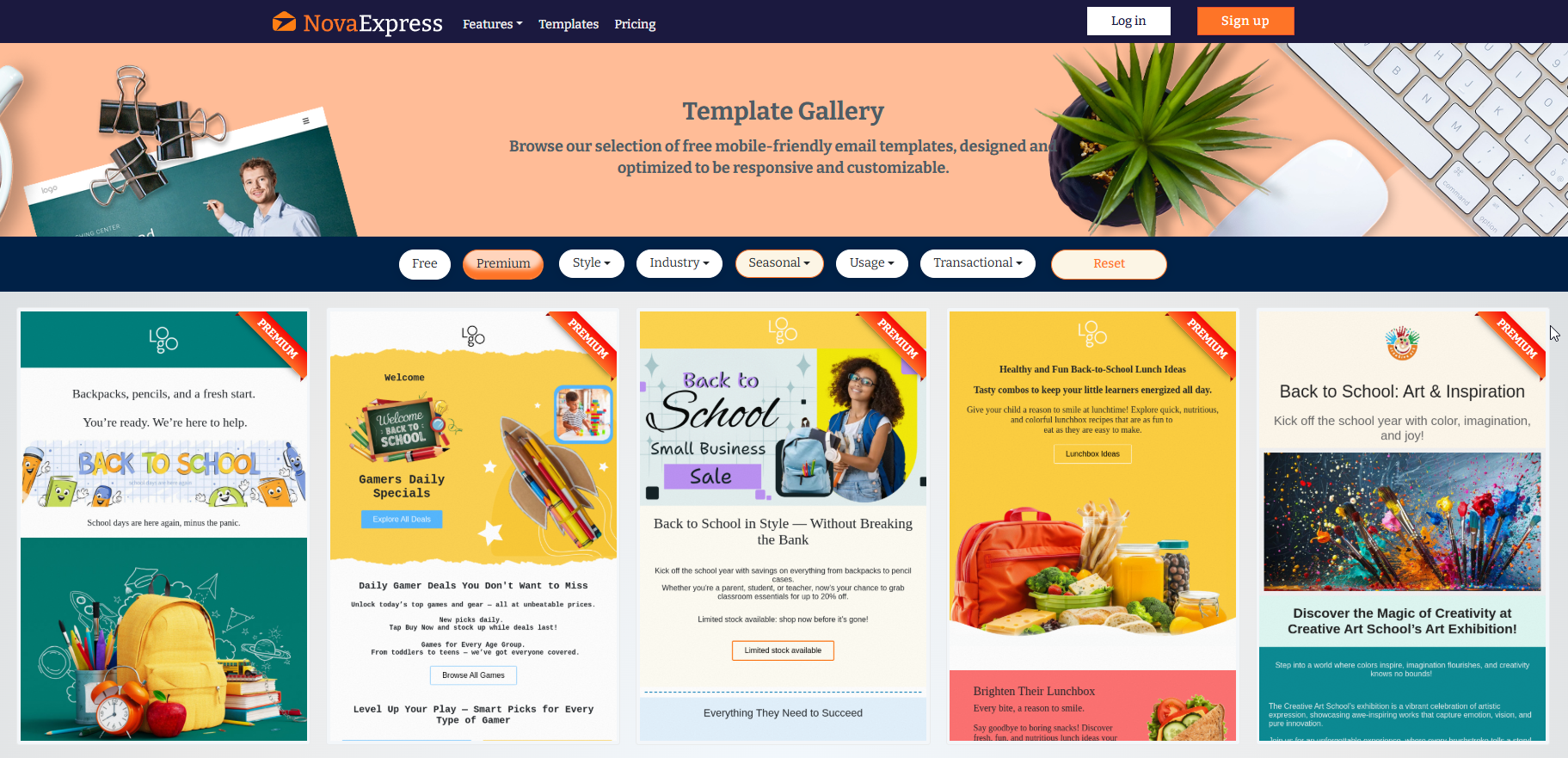
Back-to-School Season: All August
The second-largest spending season of the year. Families spend $615+ per household on average.
Campaign strategies: Comprehensive guides segmented by age (elementary, middle, high school, and college). Checklist content provides value while driving sales. Bundle deals match shopping patterns.
Example email:
– Subject: “Your back-to-school checklist (+ 20% off to check it off).”
– Preheader: “Everything they need. Nothing you’ll forget.”
Timing: Begin campaigns in late July. Peak shopping: first three weeks of August. For real examples and advanced tactics, see our best back-to-school email campaigns guide.
September
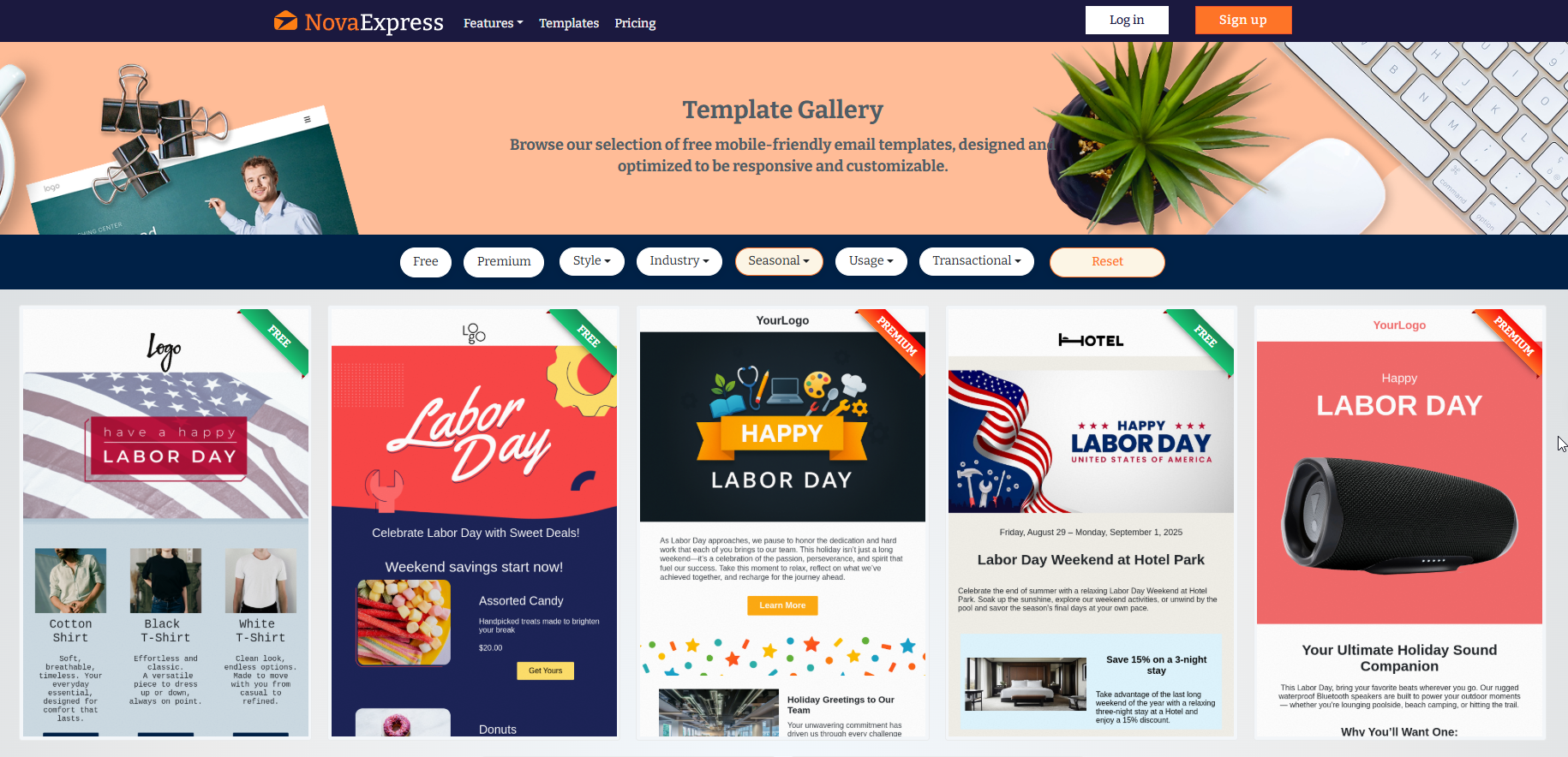
Labor Day: September 7 (Monday)
The last summer holiday and a major sale weekend.
Campaign strategies: End-of-summer clearance, fall preview collections. “Last chance for summer” urgency messaging drives action on seasonal inventory.
After Labor Day, shift focus to fall cozy home décor, autumn fashion, and hobby supplies. Our Labor Day email campaign ideas guide shows how to maximize this final summer sales opportunity. Start preparing your audience for Q4.
Q4: The Golden Quarter
The fourth quarter is where retail fortunes are made. From Halloween through New Year’s, a continuous stream of holidays keeps consumers spending. Research shows 64% of consumers start holiday shopping before Halloween, so your Q4 planning should begin in August.
October
Halloween: October 31 (Saturday)
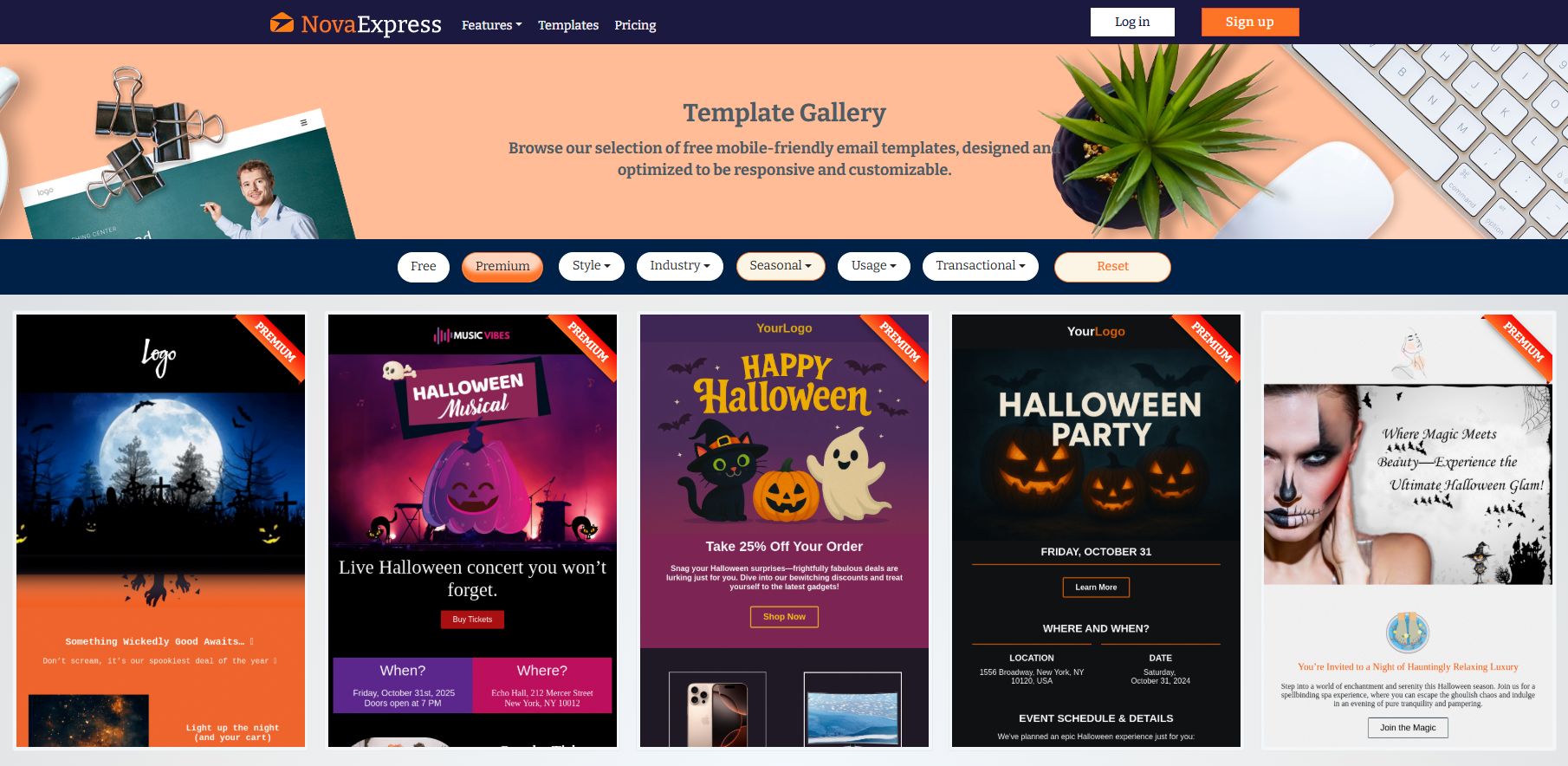
Halloween has grown into a $13.1 billion retail event (2025 record). The Saturday date in 2026 promises a strong celebration. Costumes ($4.3B), decorations ($4.2B), and candy ($3.9B) drive sales.
Campaign strategies: Costume inspiration, spooky-themed collections, and party-planning content. Interactive elements like “Trick or Treat” reveals boost engagement.
Example email:
– Subject: “Trick or treat?” 🎃 Click to reveal your mystery discount.”
– Preheader: “It’s not scary, just seriously good savings.”
Timing: Start campaigns in early October. Week-of emails emphasize last-chance urgency. Looking for fresh creativity? Our Halloween email campaign ideas and templates guide includes interactive elements proven to boost open rates.
November
Veterans Day: November 11 (Wednesday)
A day to honor military service members.
Campaign strategies: military appreciation discounts, donations to veterans’ organizations. A respectful tone is essential.
Thanksgiving: November 26 (Thursday)
A family-focused holiday marking the start of the holiday shopping season.
Campaign strategies: Thanksgiving recipes and hosting tips, gratitude-themed content, and teaser emails for Black Friday.
Black Friday: November 27 (Friday)
The biggest shopping day of the year. Black Friday 2025 drove $10.8 billion online (+10.2% YoY). During Black Friday week, email open rates climb to 32–38%, and click rates reach 7–10%, well above yearly averages.
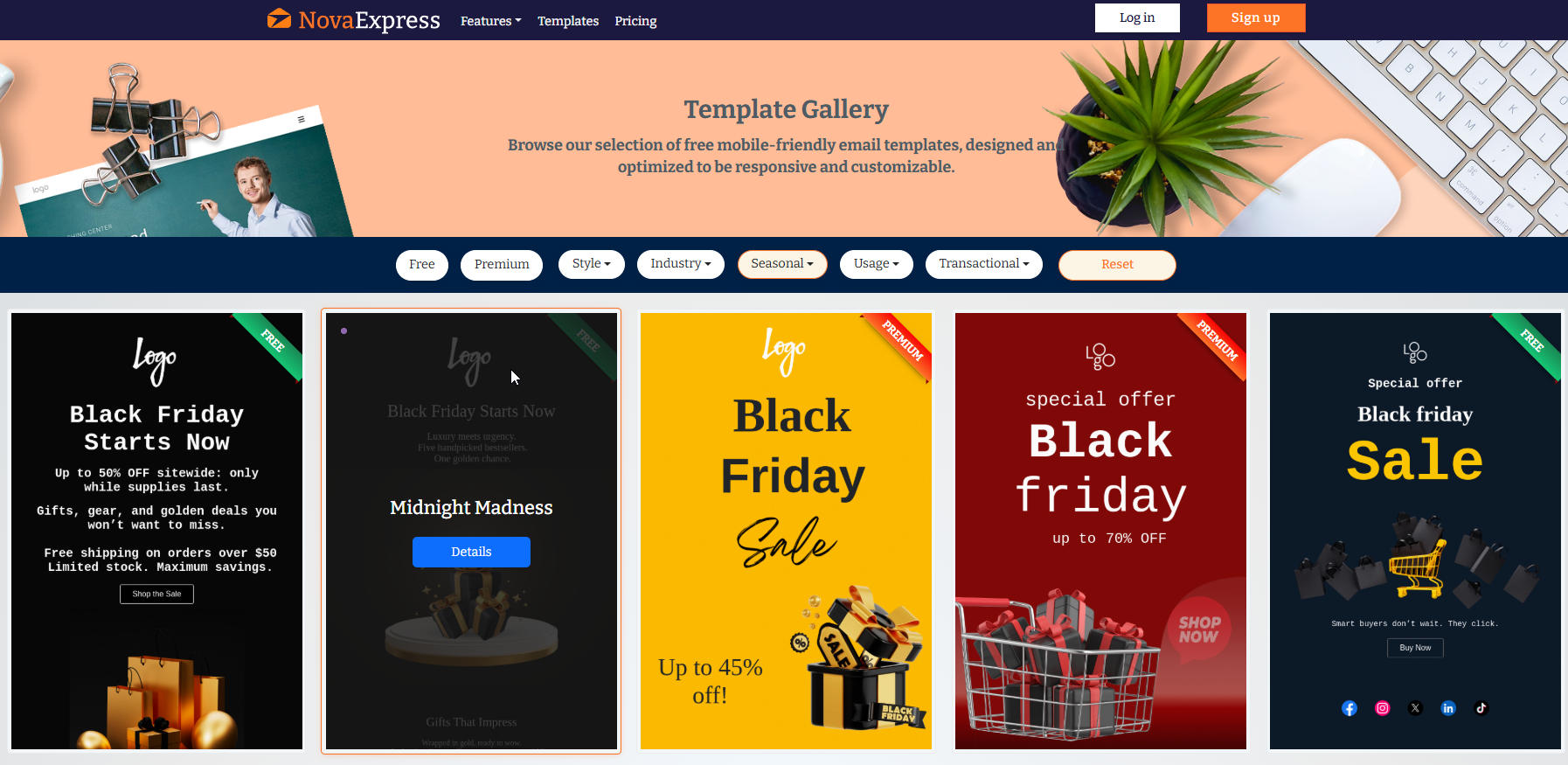
Recommended email sequence:
| “Black Friday preview: save these for later.” | Email Focus | Example Subject |
|---|---|---|
| 2 weeks before | Final reminder: VIP early access | “Black Friday preview: save these for later” |
| 1 week before | Preview specific offers | “Last call before Cyber Monday takes over.” |
| Day before | Final reminder, VIP early access | “It’s almost here. Early access starts at midnight.” |
| Black Friday | Main campaign | “BLACK FRIDAY IS LIVE — up to 60% off everything” |
| Saturday | Extended deals | “Still going: Black Friday deals + new items added” |
| Sunday | Urgency push | “Last call before Cyber Monday takes over” |
Segmentation strategy: Send “VIP Early Access” to customers who purchased during last year’s Black Friday. Send “Win-back” offers to lapsed customers who haven’t purchased in 6+ months.
Cyber Monday: November 30 (Monday)
A massive online shopping day: $13.3 billion in 2024 (+7.3% YoY). The full Cyber 5 period generated $41.1 billion.
Campaign strategies: Online-exclusive deals, digital products and subscriptions, and free shipping offers.
Example email:
– Subject: “Cyber Monday: FREE shipping + extra 15% off 🖥️.”
– Preheader: “The deals continue, no lines, no crowds.”
December
Holiday Season: All of December
The extended holiday season requires sustained momentum. Different customer segments shop at different times.
Key December dates:
| Date | Event | Campaign Focus |
|---|---|---|
| Dec 4–12 | Hanukkah | Eight nights of gifting |
| Dec 24 | Christmas Eve | Gift cards, experiences, digital gifts |
| Dec 25 | Christmas | Post-holiday sales begin |
| Dec 26–Jan 1 | Kwanzaa | Cultural celebration |
| Dec 31 | New Year’s Eve | Party prep, year-end clearance |
Segmentation by shopping behavior:
- Early birds (Nov–early Dec): Inspirational content, curated gift guides
- Planners (mid-Dec): Organized guides, shipping deadline reminders
- Last-minute shoppers (Dec 20+): Expedited shipping, gift cards, experiences
Example late-December email:
– Subject: “Gift emergency? We’ve got you covered. 🎁”
– Preheader: “Same-day delivery + instant e-gift cards”
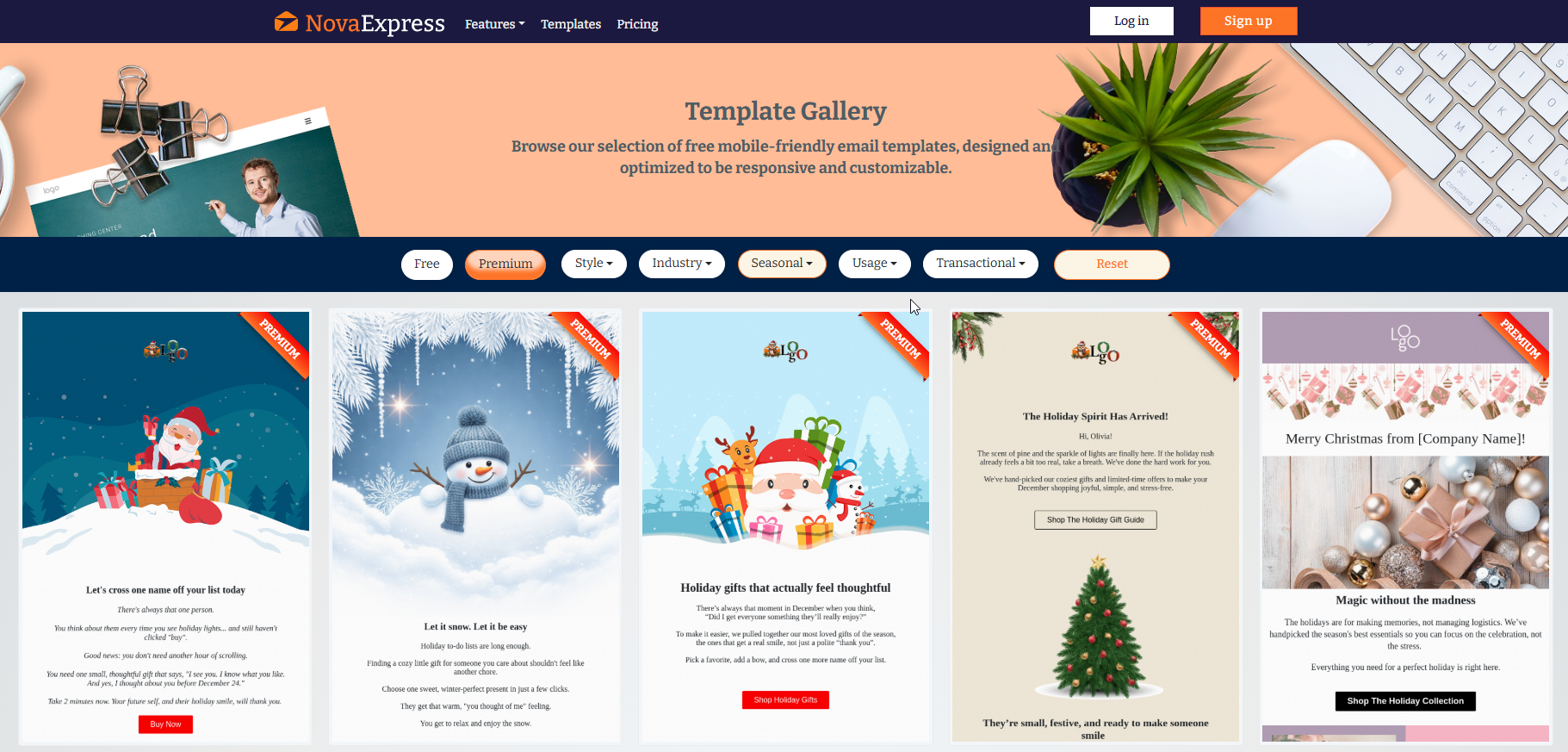
Need ready-to-use Christmas email templates? Our Christmas email template guide includes designs for every stage of the holiday season.
Planning and Execution Best Practices
Having the right dates is only half the battle. Here’s how to execute effectively:
Start planning early. For major holidays, begin campaign development 6–8 weeks in advance. For Q4, start planning in August. Use AI tools to generate subject line variations, draft copy, and brainstorm campaign angles quickly. If you’re launching your first holiday campaign, review our step-by-step guide to your first email campaign.
Segment aggressively. Your VIP customers should receive early access. Lapsed customers need win-back offers. New subscribers get educational content. One-size-fits-all holiday emails leave money on the table. Master the art of segmentation with our complete guide on email segmentation and why it’s key to higher open rates.
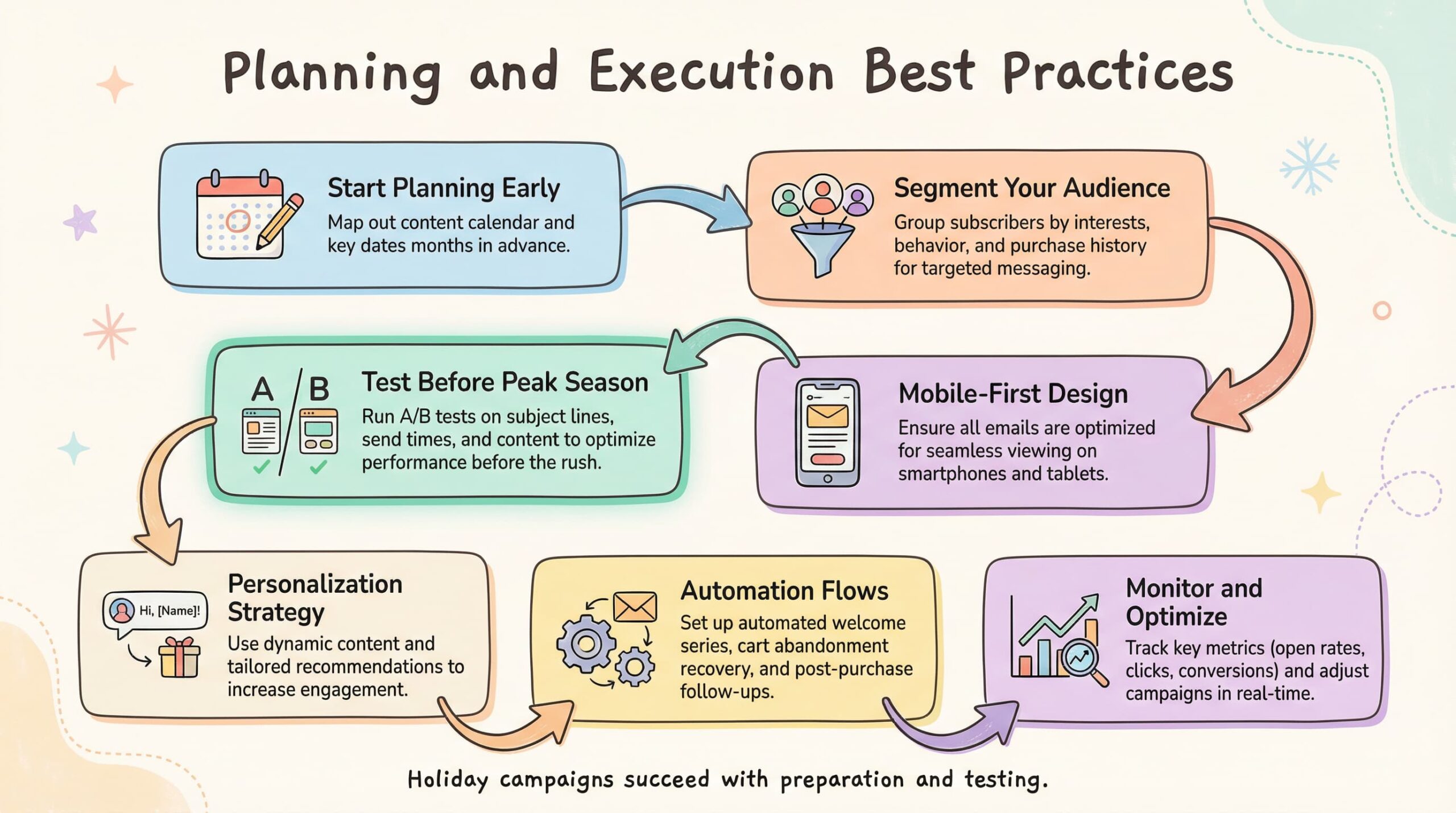
Test before peak. A/B test subject lines, send times, and offers in October before deploying during high-stakes Black Friday campaigns. Use tools like NotebookLM to research competitor campaigns and gather insights.
Prioritize mobile. Over 55% of emails are opened on mobile devices, and 69% of Black Friday purchases happen on mobile. Your campaigns must look great on smartphones.
Personalize relentlessly. Personalized subject lines boost open rates by 26%. Fully personalized campaigns drive 6× more transactions. Use purchase history, browse behavior, and stated preferences.
Automate the essentials. Cart abandonment, browse abandonment, and the welcome series should be optimized for holiday performance. These automated flows drive significant revenue with minimal manual effort. Make sure your sending infrastructure is ready for volume spikes; see our guides on Amazon SES and Mailgun integration.
Monitor and adapt. Check performance daily during peak periods. Adjust messaging, offers, or send times based on real-time results.
Conclusion
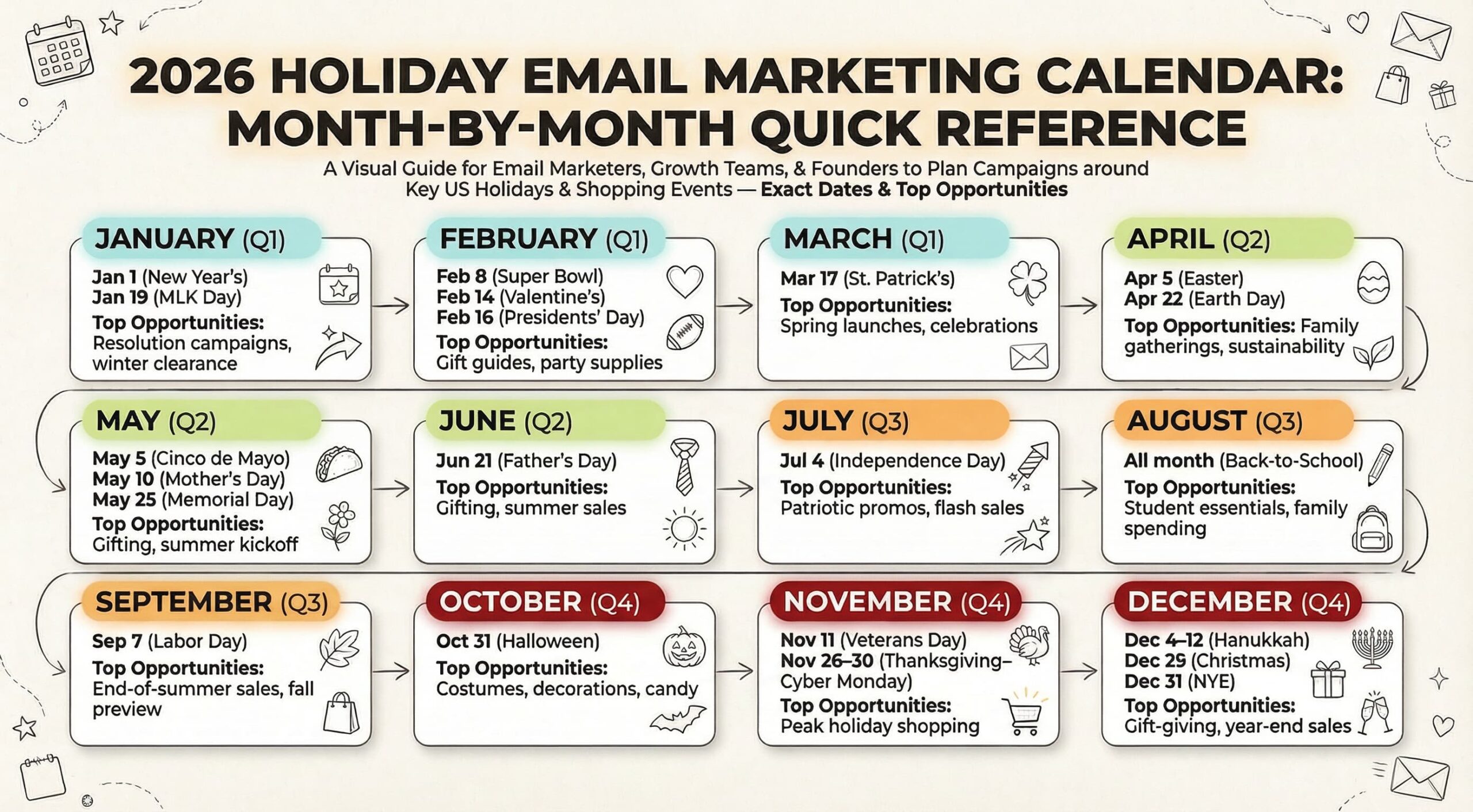
The 2026 calendar offers 365 days of opportunity, but not all days are created equal. By focusing your email marketing efforts around the key dates outlined in this guide, you maximize your chances of reaching customers when they’re most receptive and ready to buy.
Remember: the brands that win during holidays aren’t necessarily those with the biggest budgets; they’re the ones that plan earliest, execute most consistently, and connect most authentically with their audiences. Start building your 2026 holiday marketing calendar today. Your future results depend on today’s preparation.
Start Designing Your Holiday Campaigns
You now have the calendar, the strategies, and the timing, but execution still requires actual campaign creation. That’s where Nova Express saves you hours.
Our AI-powered platform transforms holiday planning from days of work into minutes. Generate campaign copy, create email sequences, and optimize messaging across every holiday in this guide, all from one dashboard.
Here’s how to get started:
- Go to novaexpress.ai
- Click “Sign Up“ to create your free account
- Choose your holiday campaign from the calendar
Whether you’re planning Black Friday emails in July or scrambling for last-minute Valentine’s content, Nova Express handles the heavy lifting so you can focus on strategy and results.
Ready to transform your 2026 holiday marketing?
✓ AI writes subject lines + email copy
✓ Built-in calendar sync with deadlines
→ Start free at novaexpress.ai
Nova Express Resources
Getting Started:
- How to Start Email Marketing: Guide for Beginners
- How to Start Your First Email Campaign
- NotebookLM for Marketers
- AI Tools for Marketers
- Nano Banana Pro: The Complete Guide for Marketers 2026
- Gary Halbert’s 10 Email Copywriting Rules
- 7 Midjourney V7 Prompts for Marketing Ads
- Storytelling elements for high-converting marketing campaigns
- What Are AI Tokens? A Marketer’s Guide to Context, Cost, and Limits
- Stop Selling to People Who Don’t Know They Have a Problem
About the author
Serafima Osovitny is a Marketing Manager at Nova Express, where she focuses on digital marketing, search visibility, content strategy, and marketing workflows. She writes practical guides that help marketing teams research their audiences, develop strategies, and put their plans into action.
Explore her work at serafima.digital and follow her on X: @OSerafimaA.




This article is a lifesaver. It shows exactly when to prepare each campaign and how to stand out during the busiest months.
The month‑by‑month breakdown is brilliant. It makes content planning so much easier and helps avoid the usual holiday rush.