

Most brands exist in feeds, but not in conversations. That silence is expensive.
While others burn thousands on ads, Howard Wein made his Philadelphia steakhouse a decade-long hit without a marketing budget. His secret? A $100 cheesesteak with Kobe beef and champagne. It was absurd, but it gave people a story they couldn’t help but share, landing him in The Wall Street Journal and on David Letterman.
The data is clear: word-of-mouth (WOM) generates 2x the revenue of paid ads with 37% higher retention. People trust people, not brands. Wharton professor Jonah Berger distilled this phenomenon into six triggers called STEPPS.
The fastest-growing brands aren’t the ones spending the most; they’re the ones people can’t shut up about. Here is the breakdown of the STEPPS framework and how to apply it.

1. Social Currency: People Don’t Share Your Brand. They Share Themselves.
There’s a bar in New York City called Please Don’t Tell. No sign. No door. To get in, you walk into a hot dog joint on St. Mark’s Place, step into a phone booth, pick up the receiver, and wait. The back wall swings open. You’re inside one of Manhattan’s most coveted cocktail bars.
No advertising budget. Packed every night since 2007.
Because telling someone “I know a secret bar you enter through a phone booth” makes you the most interesting person in the room. People weren’t promoting Please Don’t Tell. They were promoting themselves. The bar was just the prop.
That’s social currency. The first trigger of word-of-mouth marketing. And here’s where most brands get it wrong: they think people share content to help the brand. They don’t. People share content that makes them look smart, funny, connected, or ahead of the curve. Your brand is the vehicle. Their status is the destination.
I’ve seen companies spend months crafting “shareable” content that’s all about the product. Nobody shares it. Then they post one surprising stat, one insider detail, and one thing that makes the sharer look like they know something others don’t, and it explodes.
The test: when someone shares your content, what does it say about them? If the answer is nothing, that’s your problem.
2. Triggers: Why the Most Boring Brands Get Talked About More Than the Exciting Ones
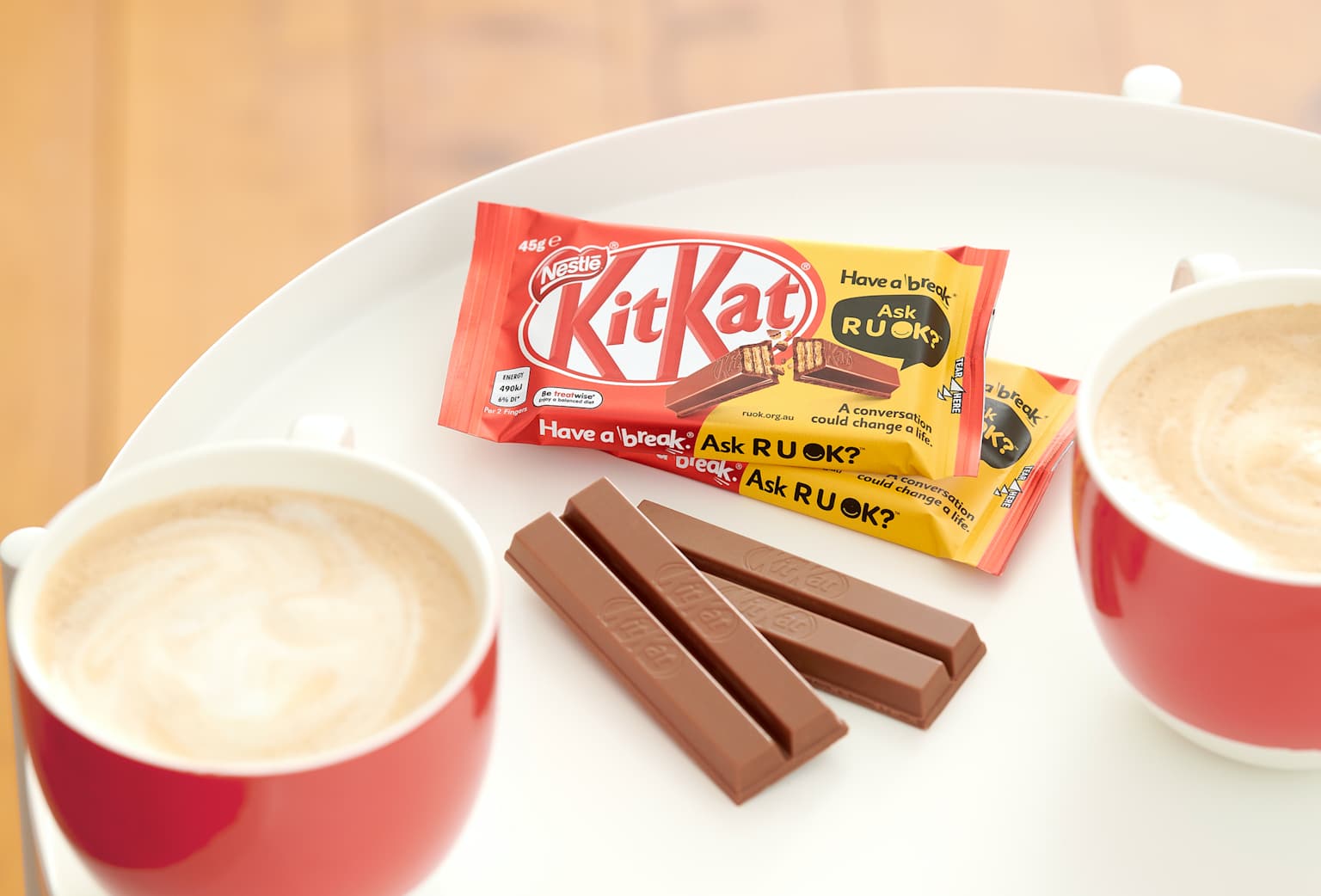
It’s 7:45 AM. You’re pouring coffee in the office kitchen. And for no reason you can name, you think of Kit Kat.
Nobody mentioned it. You haven’t seen an ad in months. But your brain made a connection: coffee equals Kit Kat. That link was planted on purpose. KitKat ran a campaign years ago pairing their product with coffee breaks. Two words: “Kit Kat and coffee.” And because coffee happens multiple times a day, every day, for millions of people, Kit Kat got a free reminder every single morning. Sales jumped and stayed up.
Here’s the counterintuitive part. Disney World is far more exciting than Cheerios. But Cheerios gets mentioned more in daily conversation. Because people eat breakfast every morning, breakfast triggers the thought. Disney only comes up when someone mentions vacations.
The reality is most brands chase “exciting” when they should chase “frequent.” You don’t need people to think you’re amazing. You need people to think of you at the right moment. Every day.
This is where I see the biggest gap in word-of-mouth marketing strategies. Brands build one incredible campaign, get a spike of attention, and then disappear from memory. The brands that win long-term attach themselves to daily habits, not annual moments.
The fix: find one daily habit your customers already have. Build your messaging around that moment, not your features. Visibility beats creativity. Own a trigger, and you own the conversation.
3. Emotion: If Your Content Doesn’t Make People Feel Something, It Doesn’t Exist
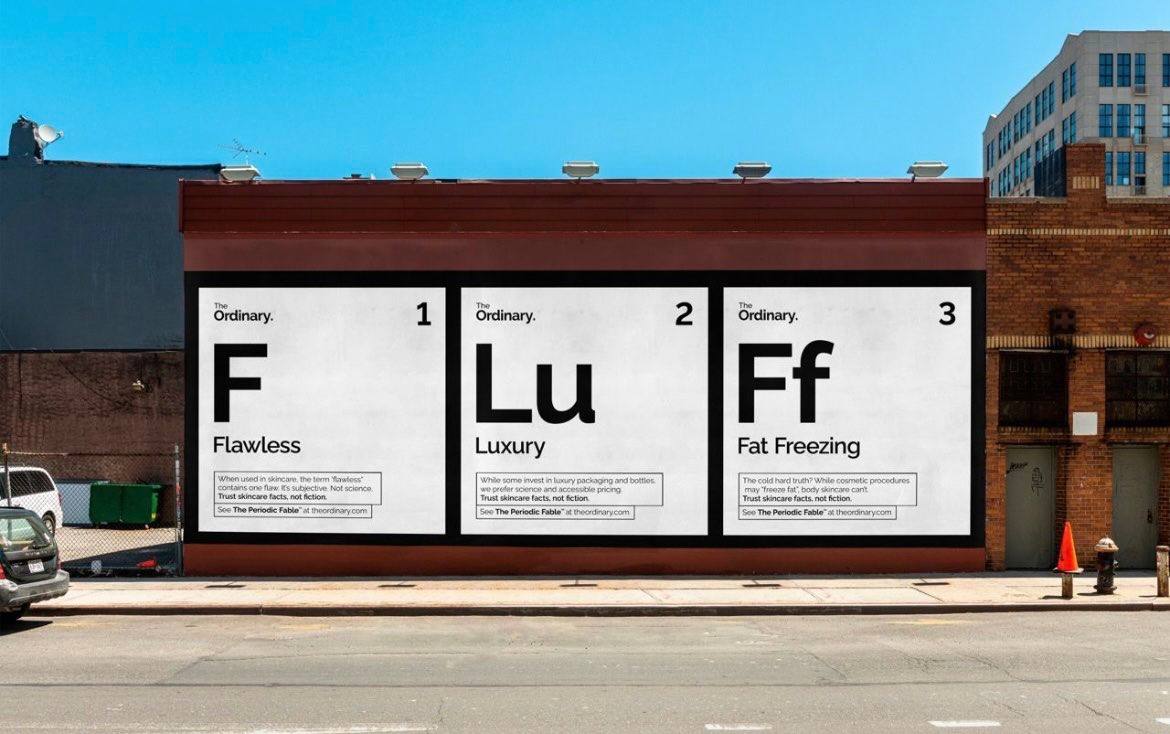
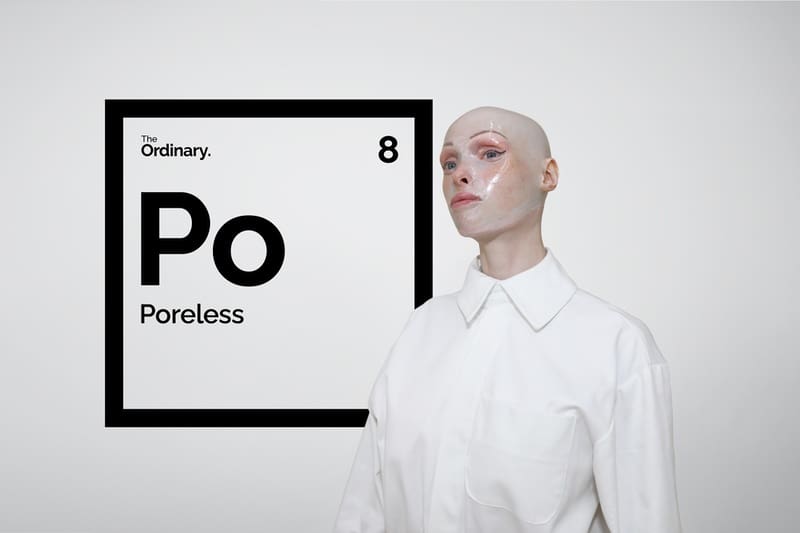
In 2025, The Ordinary did something no beauty brand is supposed to do. They built a fake scientific periodic table of beauty industry lies. Forty-nine “elements.” Every one a fraud: “poreless,” “medical grade,” “fat freezing,” and “eternal youth.”
They called it “Periodic Fable” and put it everywhere.
The reaction was volcanic. People screenshotted it, forwarded it, argued in comment sections, and tagged friends. Within weeks, The Ordinary wasn’t just a skincare brand. It was the brand that told an entire industry to its face, “You’re lying,” and millions of customers said, “Finally.”
Berger’s research explains the mechanics. His team analyzed thousands of New York Times articles and found that high-arousal emotions (awe, anger, amusement, excitement) drive sharing. Low-arousal emotions (sadness and contentment) kill it. Sadness actually makes people share less. Angry people act. Amuse people forward. Awed people take screenshots.
Here’s what most brands get wrong: they aim for “informative.” Informative is low-arousal. Nobody forwards a fact sheet to a friend. They forward the thing that made them laugh, gasp, or want to start a fight in the comments.
The Ordinary didn’t inform its audience. They ignited them. That’s the difference between content that gets views and content that gets shared.
Before you publish anything, ask: What will someone feel? If the answer is “mildly educated,” kill it. Rewrite it until it triggers awe, amusement, or righteous anger. Humor gets you there fast. Storytelling gets you there deep.
4. Public: If Nobody Can See It, Nobody Can Copy It
Walk into any coffee shop in Brooklyn. Count the glowing Apple logos on the backs of laptops facing you.
Every single one is an ad. Apple didn’t pay for it. The customer paid $1,500 and became a billboard. And this wasn’t an accident. Apple designed the logo to face outward, toward the room. The person typing can’t even see it. Everyone else can.
Spotify understood the same principle. When your Wrapped results drop every December, you’re turning private listening habits into a public billboard. In 2025, millions of users posted their results on Instagram and TikTok. Nobody paid them. The design made sharing irresistible because the result said something about you. Your music taste became social currency and public proof at the same time.
The mistake I see constantly: brands build incredible products that are completely invisible. Nobody can tell when someone uses your SaaS tool. Nobody can see your service in action. Nobody knows whose friend bought from you. And then those brands wonder why word of mouth isn’t happening.
Word of mouth requires observation. People copy what they can see. If your product lives in a private tab, it’s not generating referrals. Period.
The fix: add one element that leaves a visible trace. A badge. A screenshot-worthy result. A template with your branding. Turn private customers into public signals.

5. Practical Value: Stop Being Clever. Start Being Useful.
In 2025, a freelance marketer published a LinkedIn post: “I cut my client’s cost per lead from $38 to $6.” Here’s the exact Google Ads setup I used.” No visuals. No hot take. Just a step-by-step breakdown of the account structure, bid strategy, and ad copy.
14,000 reposts. Zero budget.
Not because it was entertaining. Because it was useful. People saved it, forwarded it to teams, and bookmarked it. One post turned into tens of thousands of impressions from people voluntarily amplifying someone else’s expertise.
This is the trigger most marketers underestimate because it feels boring. Practical value isn’t sexy. It doesn’t win awards. But Berger’s data shows it’s one of the most consistent drivers of sharing across every demographic. People share useful content because it feels like helping someone. And helping feels good.
Here’s where brands fail: they confuse “thought leadership” with “useful.” A post titled “Our Vision for the Future of Growth Marketing” is thought leadership. Nobody shares it. A post titled “7 Ways to Cut Your Customer Acquisition Cost in Half” is useful. Everyone shares it.
The rule: package expertise into formats people can apply the same afternoon. Dan Kennedy built his entire reputation this way. People are still sharing his frameworks decades later. Useful doesn’t expire.
6. Stories: Your Brand Either Rides Inside a Narrative or It Doesn’t Travel at All
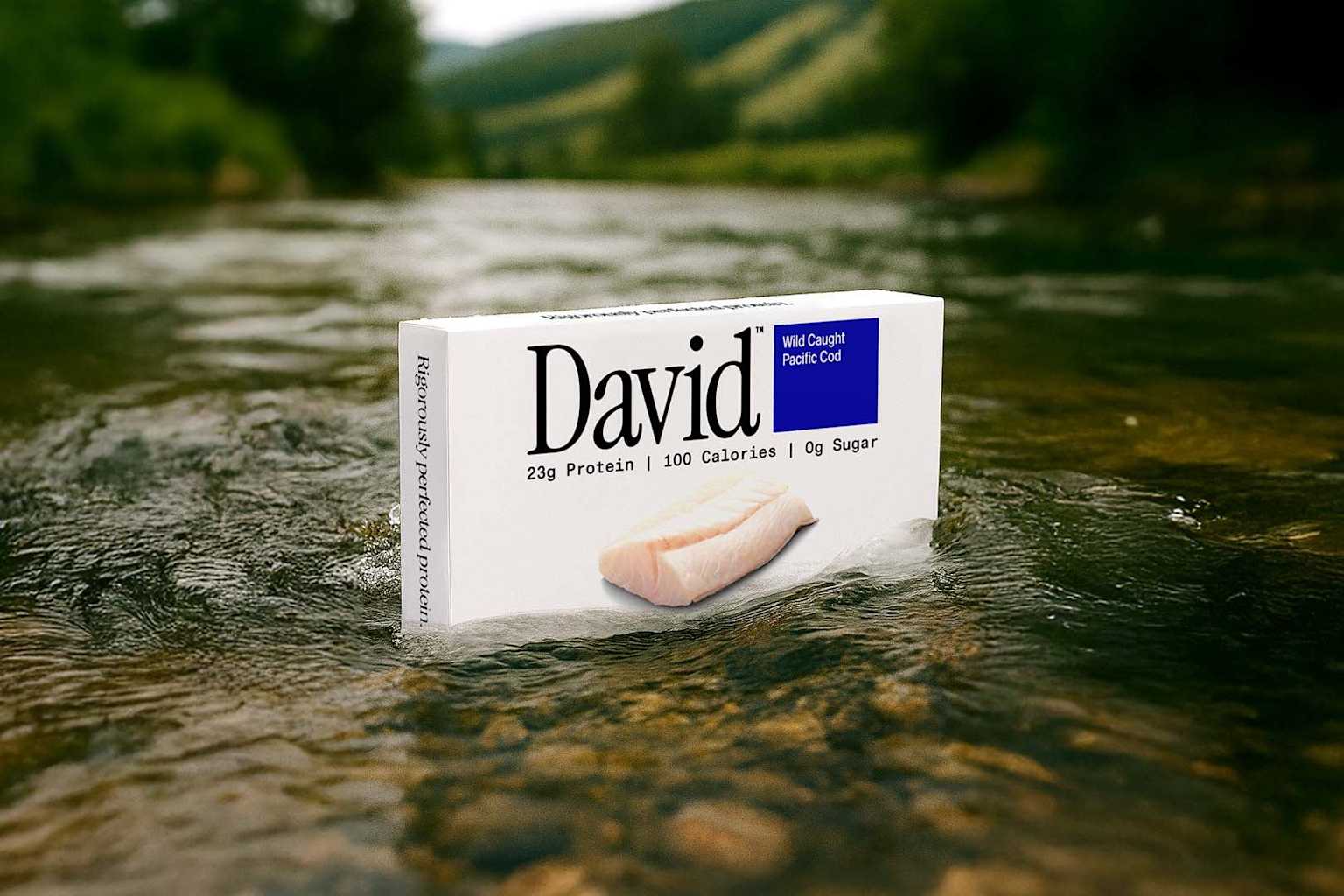
In 2025, a protein bar company called “David” launched frozen cod fillets.
Read that again. A protein bar brand. Selling frozen fish.
23 grams of protein. 100 calories. Zero sugar. Completely on-brand. But that’s not why it spread. It spread because “Did you hear about the protein bar company that started selling frozen fish?” is a sentence people physically cannot keep to themselves. It’s too weird. Too surprising. Too good a story.
David projects over $100 million in first-year revenue. Not because frozen cod is exciting. Because the story is irresistible. And every time someone says it, they say the brand name. You can’t tell this story without saying “David.”
That’s what Berger calls “viral value.” The brand is so embedded in the narrative that removing it breaks the story. The $100 cheesesteak from Barclay Prime was the same. Every retelling was a free ad.
Most brands do the opposite. They create content that’s entertaining but brandless. A funny video that never mentions the product. A viral post where the company name is an afterthought. That’s not word-of-mouth marketing. That’s charity.
The test: Can someone retell your story without saying your brand name? If yes, you’ve built entertainment. If not, you’ve built a growth engine.
Try this: take your best customer win and structure it as a narrative. Hook, conflict, climax, resolution. If the story is good enough, people share it. Your brand resides inside.
Why Your Content Isn’t Being Shared (The Hard Truth)
If you’ve read this far and recognize your brand in the mistakes, here’s the uncomfortable summary:
Your content isn’t being shared because it doesn’t make anyone look good for sharing it. It isn’t tied to a daily trigger. It doesn’t make people feel anything intensely. It’s invisible when someone uses your product. It prioritizes cleverness over usefulness. And there’s no story worth retelling.
Budget amplifies shareability. It doesn’t create it. The root is design. And design is fixable.
These 6 drivers are adapted from Jonah Berger’s STEPPS framework, proven across thousands of viral campaigns.
The 6-Question Audit
Before your next launch, run it through these:
Social Currency: Does sharing this make someone look good?
Triggers: Is my brand linked to something people encounter daily?
Emotion: Does this create a high-arousal feeling?
Public: Can others see when someone uses my product?
Practical Value: Would someone forward this because it’s genuinely useful?
Stories: Is there a narrative people would naturally retell?
Pick two. Build around them. Test. Example: A SaaS tool focused on practical value + public added a “Share your workflow” badge + exportable templates, driving a +41% referral lift in 30 days.
The brands that grew fastest in 2025 didn’t outspend everyone. They out-shared everyone. Behavioral research consistently shows top-performing brands don’t buy attention. They engineer talkability.
If people don’t talk about your brand, your marketing is invisible. No matter how much you spend.
Frequently Asked Questions
What is word-of-mouth marketing? Word of mouth marketing is a strategy that relies on customers sharing genuine experiences with others, both online and offline. It includes personal recommendations, social media posts, reviews, and any organic conversation about your brand. Unlike paid advertising, word of mouth comes from trusted sources, which is why 92% of consumers trust it more than any other form of promotion.
Why is word-of-mouth marketing so effective? People trust people, not brands. Recommendations from friends, family, or peers carry more weight than any ad. Research shows word-of-mouth-driven purchases generate twice the revenue of paid ads and retain customers at a 37% higher rate. The ROI on every dollar spent on word-of-mouth strategies averages $6.50.
How do you get people to talk about your brand? You engineer moments worth sharing. The STEPPS framework identifies six triggers: social currency (make people look good), triggers (link to daily habits), emotion (create high-arousal feelings), public visibility (make usage observable), practical value (be genuinely useful), and stories (embed your brand in a retellable narrative). Focus on two or three that fit your product.
What is the difference between word of mouth and viral marketing? Viral marketing is a spike of attention, often short-lived. Word-of-mouth marketing is a sustained baseline of organic conversation. A campaign can go viral once and fade. True word of mouth builds over time as satisfied customers consistently recommend you. The best strategies create a viral moment that sparks ongoing word of mouth.
Can small businesses use word-of-mouth marketing? Small businesses are often better positioned for it than large companies. You can deliver personal experiences, respond faster, and build genuine relationships that big brands struggle to replicate. 63% of small to medium-sized businesses credit word of mouth for increasing their customer base, often with no formal marketing budget at all.
Nova Express Resources
Strategy & Psychology:
- Storytelling Elements for High-Converting Marketing Campaigns
- Brand DNA: The Missing Piece Between Your Brand and AI
- Stop Selling to People Who Don’t Know They Have a Problem
- Customer Pain Points: Why Your Marketing Isn’t Working
- Why AI Cites Some Brands and Ignores Others: The Citation Stack Explained
Copywriting & Persuasion:
- Gary Halbert’s 10 Copywriting Rules That Still Print Money
- Dan Kennedy’s Marketing Principles That Still Work
- 10 Legendary Copywriters Whose Rules Still Drive Sales in 2026
Tools & Tactics:
- AI Tools for Marketers in 2026
- NotebookLM for Marketers
- 7 Midjourney V7 Prompts for Marketing Ads, Products, and Social Media
- Why AI Cites Some Brands and Ignores Others: The Citation Stack Explained
- AEO vs SEO vs GEO: What’s the Difference and Where to Start in 2026
- Why AI Engines Trust Reddit More Than Brand Content (And How to Change That)
About the author
Serafima Osovitny is a marketing manager at Nova Express. Passionate about turning complex marketing tactics into simple, actionable guides, she shares insights about AI search visibility and generative engine optimization.
Explore her work at serafima.digital and follow her on X: @OSerafimaA








Leave a Comment