

Why a 1970s direct‑mail legend still beats your AI‑written emails in 2026 and how to steal his 10 rules for your next campaign.
Gary Halbert sold billions of dollars’ worth of products with nothing but words on paper. No landing pages. No retargeting pixels. No fancy design tools. Just letters, mailed to real mailboxes, that made people pull out their wallets. His most famous piece, the “Coat of Arms” letter, was sent over 600 million times and reportedly generated up to $300,000 per day in the 1970s. The trick was deceptively simple: personalized letters offering families a framed drawing of their surname’s heraldic coat of arms for just $2, each one disguised as a personal note from “Nancy L. Halbert.” The revenues were enormous and remarkably consistent.
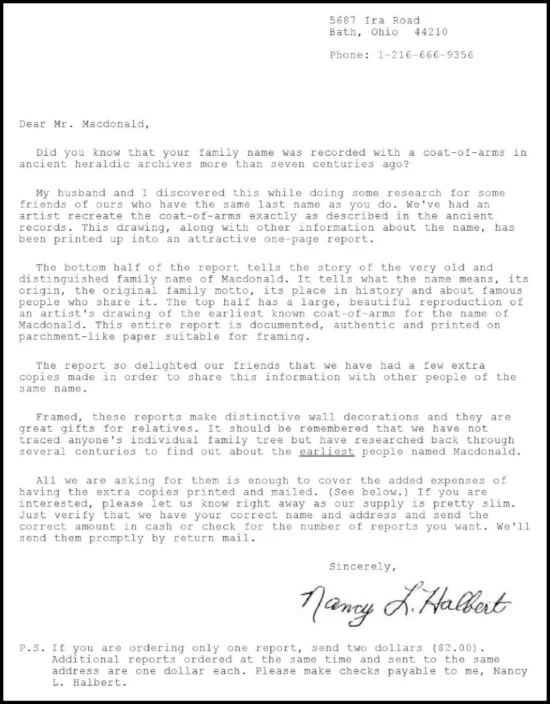
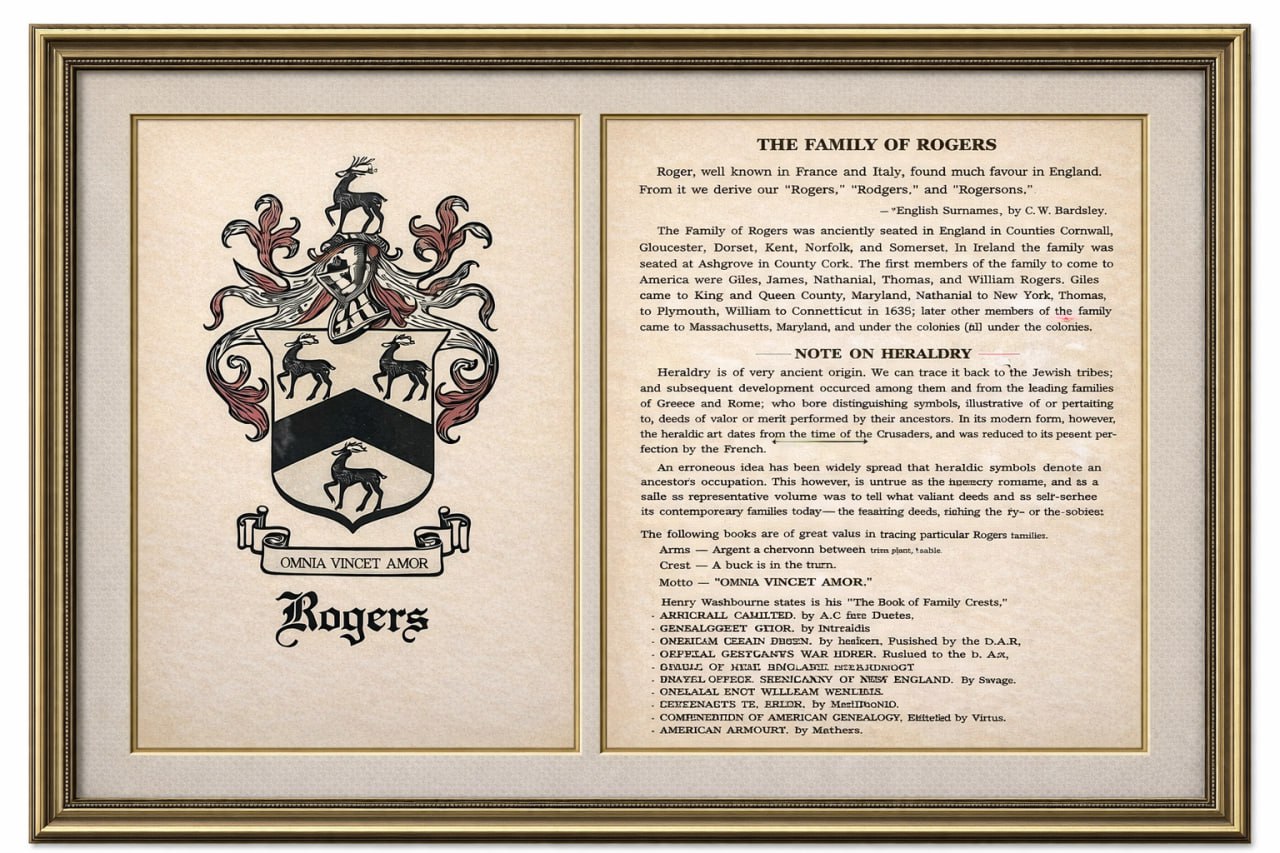
But here’s what matters for you in 2026: Halbert’s system wasn’t about paper mail. It was about human psychology. And psychology doesn’t get software updates. His principles work for email campaigns, landing pages, social media funnels, and messenger sequences just as well as they did for direct mail in 1975. This is the second article in our legendary copywriter’s series. The first covered Dan Kennedy’s email marketing principles. Now let’s unpack Halbert’s system and put it to work in your next campaign.
1. Start With a “Starving Crowd” (Before You Write a Single Word)
Halbert had a famous thought experiment. “If you and I both opened hamburger stands,” he’d say, “and you could have any one advantage over me, the best meat, the best location, the lowest prices, what would you choose?”
His answer: “I’d choose a starving crowd.”
The point isn’t clever. It’s foundational. Most marketers obsess over copy, design, and funnels while ignoring the only question that matters: is anyone actually desperate for what you’re selling?
Last year, I worked with a client launching a productivity app. The copy was sharp. The funnel was clean. Conversion rate: 0.4%. We paused everything and spent a week researching the audience. Turns out, their ideal customers weren’t searching for “productivity.” They were searching for “how to stop working weekends.” We rewrote the entire angle around that specific pain. Conversions jumped to 2.8% (a 7x increase) without changing the product at all.
That’s Halbert’s first rule: find the bleeding wound before you offer the bandage. According to him, choosing the right market accounts for 75% of your success. The remaining 25% is everything else combined: copy, design, offer, and timing.
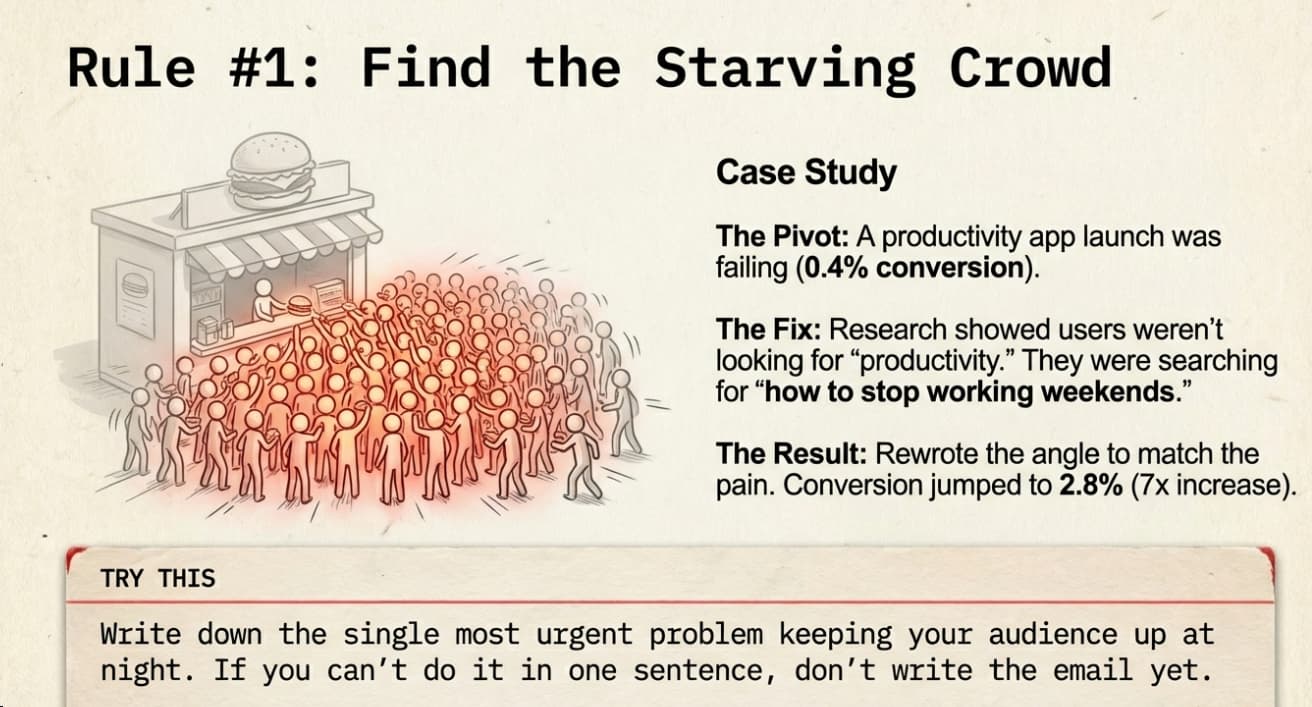
Try this: Before your next campaign, write down the single most urgent problem your audience has right now. Not what you think they should care about, but what keeps them up at night. If you can’t answer that in one sentence, you’re not ready to write. For a deeper dive into audience research, see our guide on email segmentation.
2. The Emotional Hook That Makes People Act
Halbert understood something most marketers still get wrong: logic makes people think, but emotion makes people buy.
Two months ago, I A/B tested two versions of a launch email for a photography course. Version A listed features: “12 modules, 4 hours of video, and downloadable presets.” Version B told a story: “Last Thanksgiving, I watched my sister try to photograph her kids. Blurry shots. Bad lighting. She whispered, ‘I wish I could just capture one perfect moment.’ This course exists because of that whisper.”
Version A got a 1.2% click rate. Version B hit 4.7%. Same course. Same list. Same price. The only difference? One sold a product. The other sold a feeling.
Halbert’s key emotional triggers still work perfectly in email:
- Fear of missing out: not fake countdown timers, but the real cost of inaction
- Desire for status and recognition: people want to be seen as smart, successful, and ahead
- Need for security: protecting what they’ve built
- Hope for transformation: the promise that life can actually change
The rule is simple: don’t sell the drill. Don’t even sell the hole in the wall. Sell the pride someone feels when they see their family photo hanging perfectly above the fireplace. Sell the result after the result.
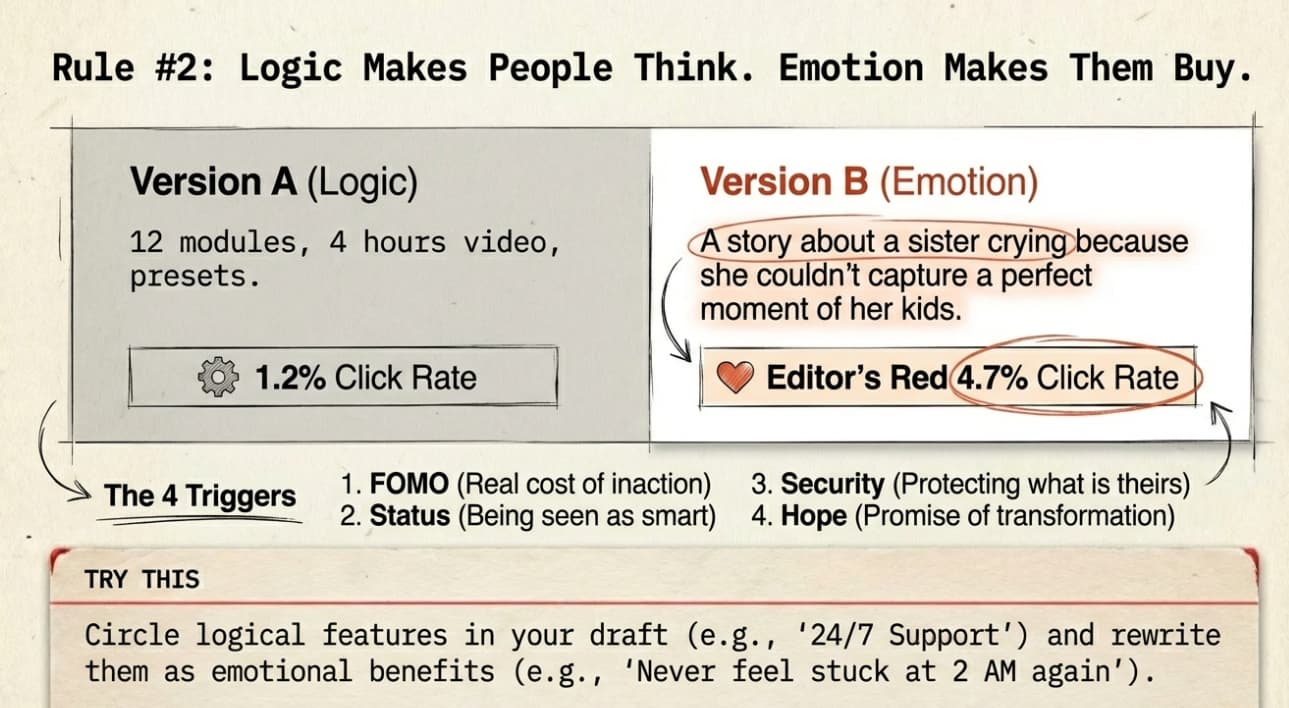
Try this: Open your last promotional email. Circle every sentence that’s purely logical (features, specs, details). Now rewrite each one as an emotion. “24/7 support” becomes “You’ll never feel stuck at 2 AM again.” That’s the shift. Need more frameworks? Our 6 Copywriting Formulas That Convert guide breaks this down step-by-step.
3. Proof Through Story (The SSS Formula)
Facts bore people. Stories sell. Halbert used a structure he called SSS:
Star: A hero your audience identifies with. Often a reluctant hero, someone who didn’t set out to be an expert but stumbled into a breakthrough. This could be you, your client, or a customer.
Story: Their struggle, failures, and pain. The critical message here is “I know exactly what you’re going through.” This builds trust because it proves you’ve been in their shoes.
Solution: How your product became the turning point. Not instantly, but through real effort and setbacks, with a clear transformation at the end.
I once helped a skincare brand rewrite their launch email sequence. The original opened with lab credentials: a dermatologist-approved, clinically tested, patented formula. Conversion rate: 0.9%. We scrapped all of it and rewrote the opening with the founder’s story: how she spent her twenties hiding behind makeup after severe adult acne destroyed her confidence, how she blew $8,000 on treatments that didn’t work, and how a conversation with a biochemist in Seoul changed everything. Same product. Same list. Conversion rate: 4.1%.
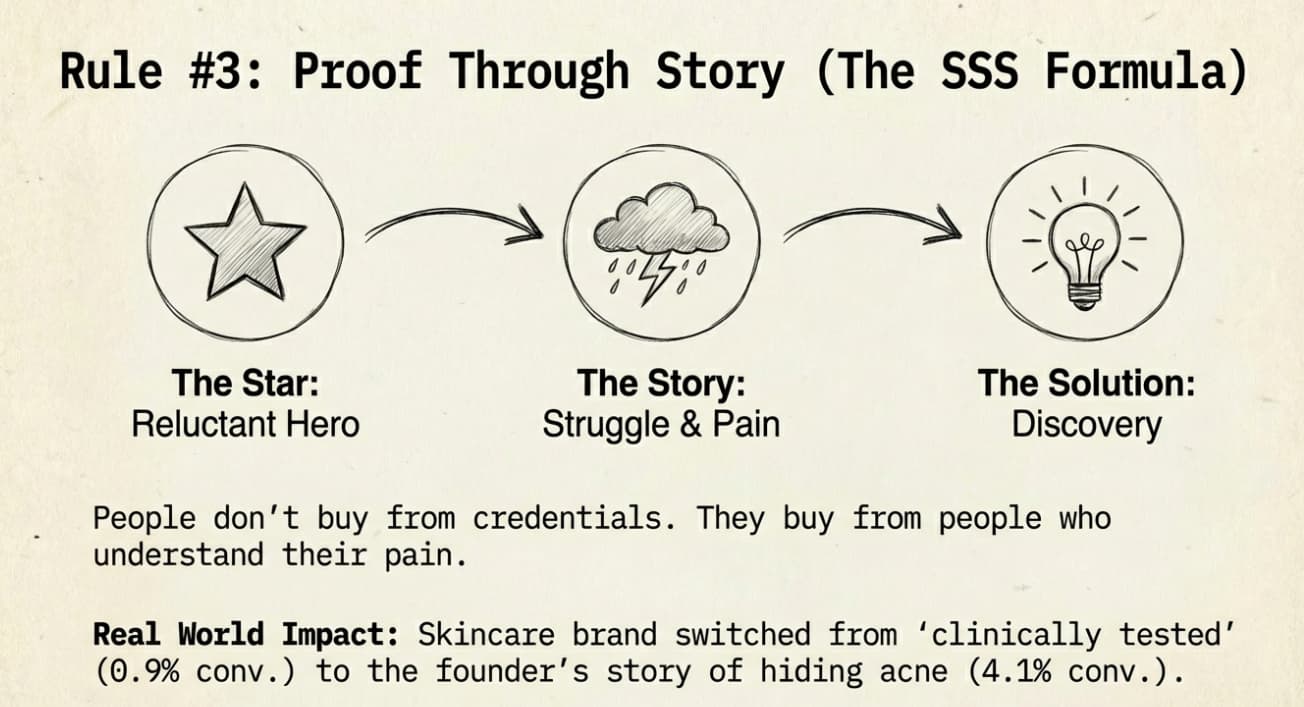
People don’t buy from credentials alone. They buy from people who understand their pain. The SSS formula gives you a repeatable way to build that connection every single time.
Try this: Write your origin story in three paragraphs: the moment you hit bottom, the turning point, and where you are now. Drop it into your next welcome sequence. You’ll be surprised how many people reply with “that’s exactly what happened to me.” For real examples of storytelling in email, check our email marketing case studies.
4. Create a Unique Mechanism (So Nobody Can Compare You on Price)
If your solution sounds like everyone else’s, the only differentiator left is price. And you’ll always lose a price war.
Halbert’s fix: name your method. Create a unique mechanism that makes your approach sound proprietary, even if the underlying principles are well-known.
Not “a weight loss program,” but “The Metabolic Reset System.” Not “a sales course,” but “The 5-Step Reverse Funnel Method.” Not “email marketing tips,” but “The A-Pile Framework.”
This isn’t about being deceptive. It’s about framing. When you name your method, you transform a commodity into a system. Systems feel more valuable. They feel proprietary. They feel like something worth paying for.
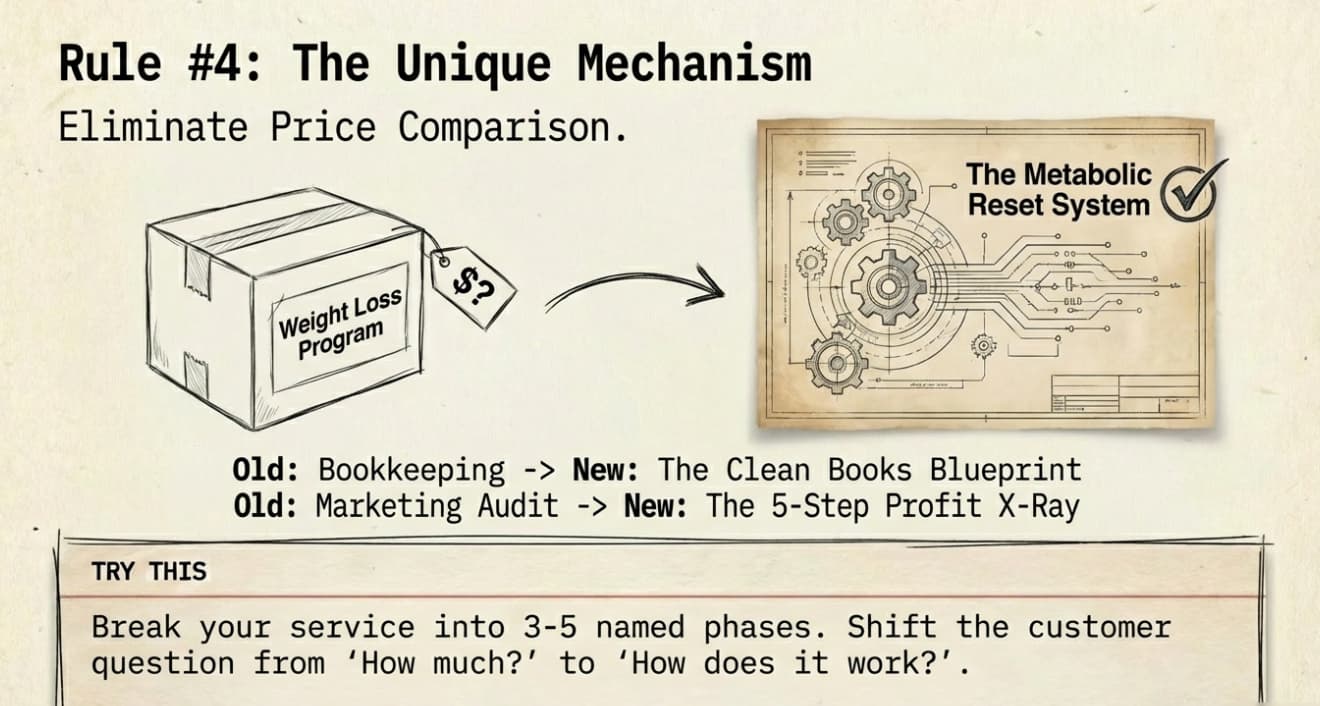
Try this: Take your core offer and give it a name. Break it into 3-5 named steps or phases. Use that language in your sales emails and landing pages. Watch how the “How much does it cost?” The question shifts to “How does it work?”
5. The Irresistible Offer (Make Saying “No” Feel Stupid)
Halbert believed your offer should be so loaded with value that refusing it feels irrational. This is more than just a good price. It’s a stack.
The formula: perceived value must dramatically exceed the price. You achieve this by layering: core product + bonuses + guarantee + urgency + scarcity. Each element adds to the perceived total, and the sum should feel like 5-10x what you’re actually charging.
Here’s a real example. A wedding photographer was selling an $89/month editing preset subscription. The sales email laid out the price and a “subscribe now” button. The open rate was fine. Clicks were decent. Conversions: almost zero. The offer felt thin. We rebuilt the stack: monthly preset packs ($89/month value). + a one-time 40-minute portfolio review call ($350 value) + access to a private Slack group for referrals ($200 value) + a “Client Email Swipe File” for booking inquiries ($150 value). Total perceived value: $790 in the first month alone. Price: still $89/month. Sign-ups jumped from 4 to 31 in the first week.
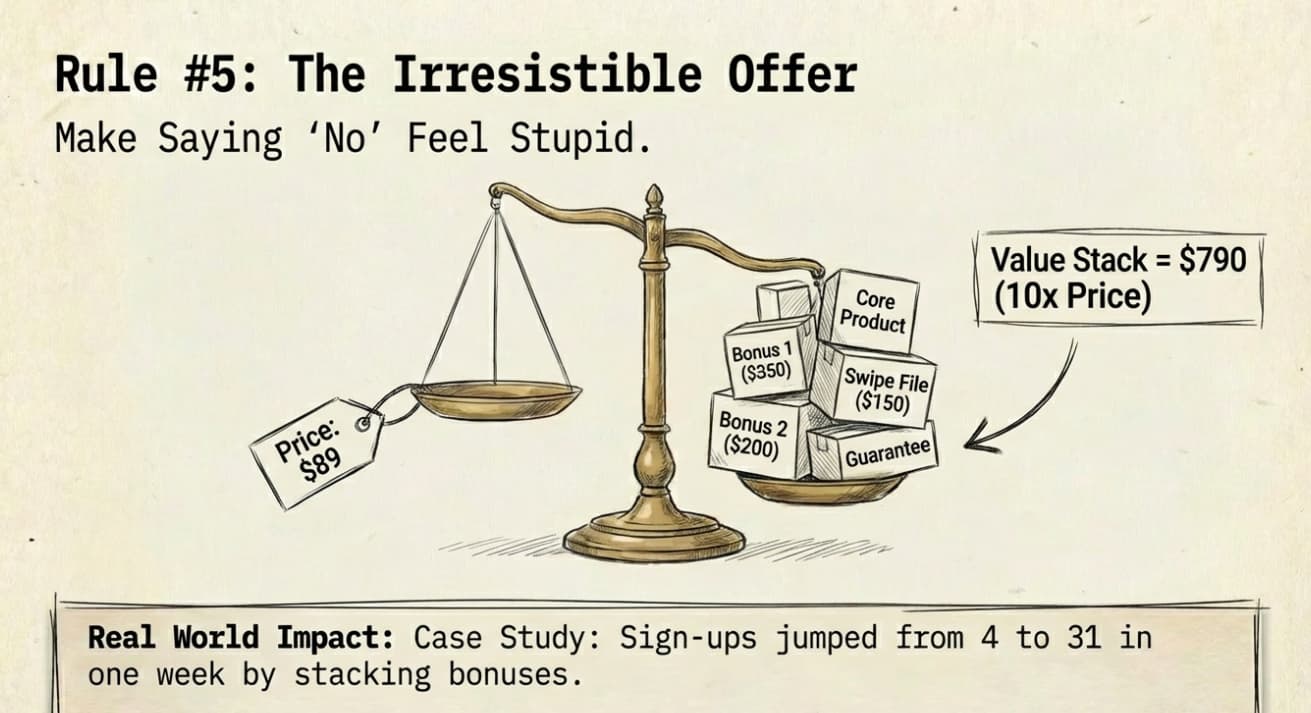
Halbert called this stacking. Kennedy later named it “The Godfather Offer.” Either way, the math does the selling for you. If you want to see how stacking works in email format, our guide on email marketing examples shows real-world breakdowns.
Try this: Before your next launch, list every bonus you could realistically include. Assign honest dollar values. Keep adding until the total is at least 5x your price. Then present the stack clearly in your pitch and watch the objection “It’s too expensive” disappear.
6. The A-Pile Strategy: Get Into the Primary Inbox
Halbert noticed that people sort their mail over the trash can. There are two piles: Pile A (personal, important letters they open immediately) and Pile B (junk mail that goes straight to the bin).
In 2026, the same thing happens digitally. Your email either lands in the primary inbox or gets buried in the Promotions tab. And it’s not just about deliverability; it’s about perception. If your email reads like a corporate broadcast, it gets treated like one. If it reads like a message from a real person, it gets opened.
Halbert’s rule: write like a human, not like a brand. Use a real name in the “From” field. Write subject lines that look personal, not promotional. Keep the formatting simple: short paragraphs, no heavy HTML, and minimal images. The goal is to make your email feel like it belongs in someone’s primary inbox, not their spam folder.
A preheader tweak alone can boost open rates by 30%. But the real magic comes from writing every email as if you’re sending it to one person, not blasting it to a list.
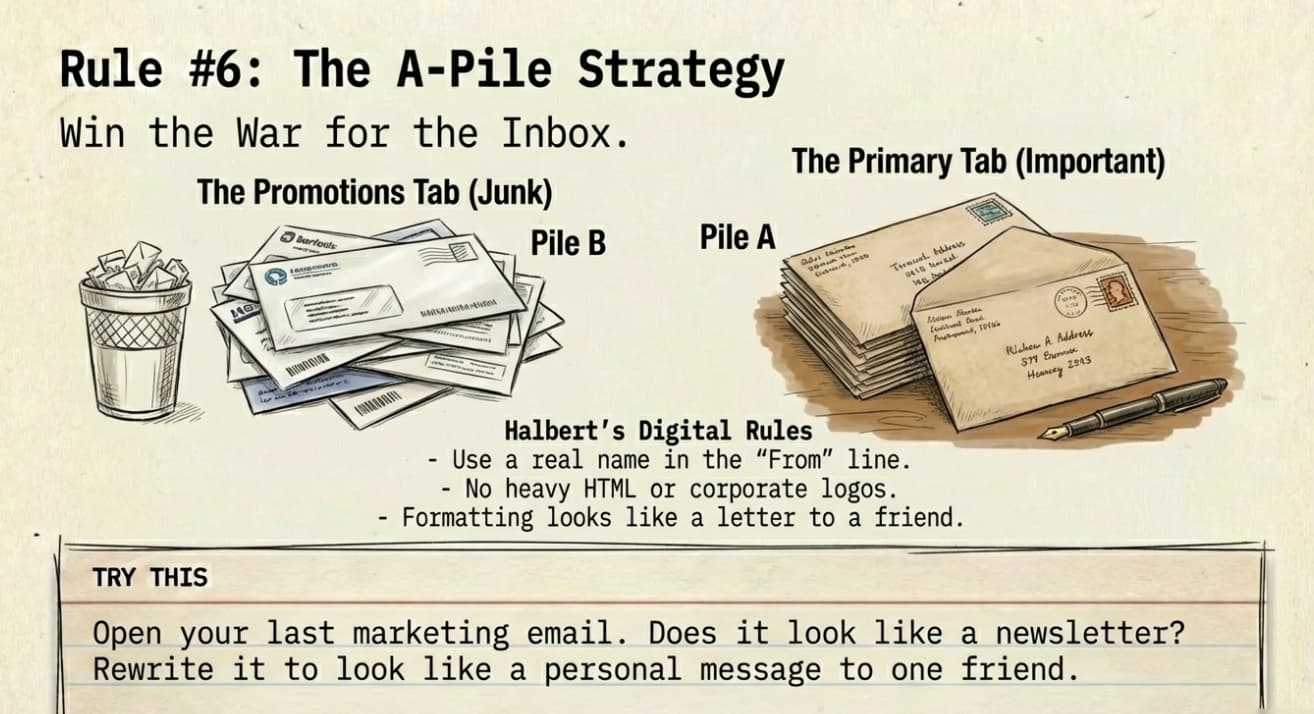
Try this: Open your last three marketing emails. Do they look like personal messages or like newsletters? Rewrite the next one as if you’re emailing a friend. Strip the heavy design. Use a conversational subject line. If you need guidance on warming up your sending reputation, see our Email Warm-Up Guide.
7. Conversational Copy: Write at a Fifth-Grade Level
This isn’t because your audience is unintelligent. It’s because their attention is limited, fragmented, and under assault from every direction.
Halbert wrote the way he talked: short sentences, simple words, and plenty of white space. He called it “eye relief.” Walls of text feel heavy. Short paragraphs feel inviting. Subheadings act as rest stops. White space gives the eye permission to keep going.
I tested this on a 1,200-word sales email. The original had dense paragraphs averaging 6-7 lines each. I broke every paragraph down to 2-3 lines max, added a subheading every 150 words, and shortened the average sentence from 22 words to 12. Nothing else changed. Click rate jumped from 1.9% to 3.6%.
The bar test is useful here: if you wouldn’t say it to a friend over a drink, rewrite it. “Our platform leverages synergistic AI capabilities” becomes “Our tool writes your emails for you.” Same idea, ten times clearer.
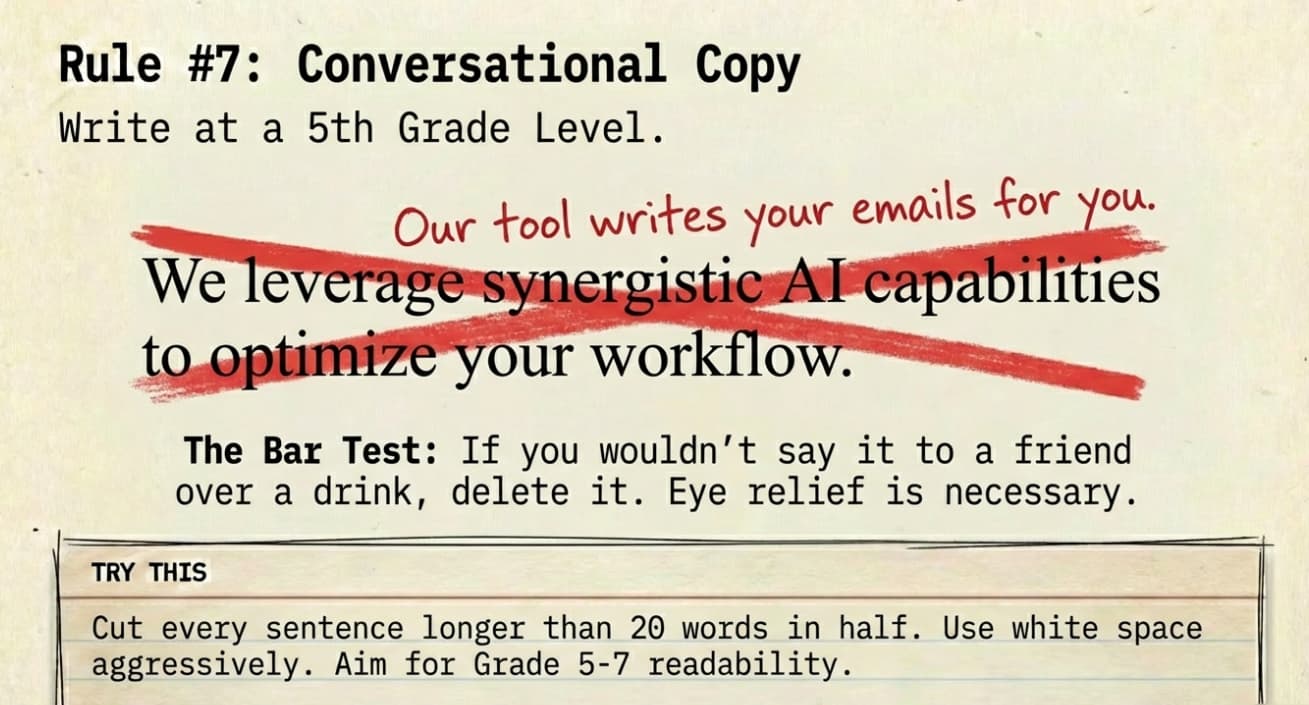
Try this: Read your next email draft out loud. Any sentence that makes you run out of breath or stumble gets split in two. Any word you wouldn’t say to a friend gets cut. If it sounds like a real conversation, your readers will reward you with more clicks.
8. Curiosity: The Most Powerful Purchase Trigger
One of Halbert’s protégés once said in an interview, “The number one reason people buy is curiosity. It creates an itch that can only be scratched by purchasing the product.”
This is why Halbert obsessed over headlines and bullet points. Not informative ones, but teasing ones. A good curiosity bullet doesn’t reveal the answer. It makes you desperate to know it.
Consider this headline from one of Halbert’s classic ads: “Hollywood star’s wife swears under oath her perfume contains an illegal stimulant.” “You can’t read the next line.
In your emails, curiosity shows up in two places: subject lines and bullet points. Your subject line should open a loop that can only be closed by opening the email. Your bullets should tease enough to create desire without satisfying it.
Bad bullet: “Learn 5 strategies for better email marketing.” Good bullet: “The counterintuitive sending trick that turned a dead list into $14,000 in 72 hours (page 7).”
The first tells you what you’ll learn. The second makes you need to know.
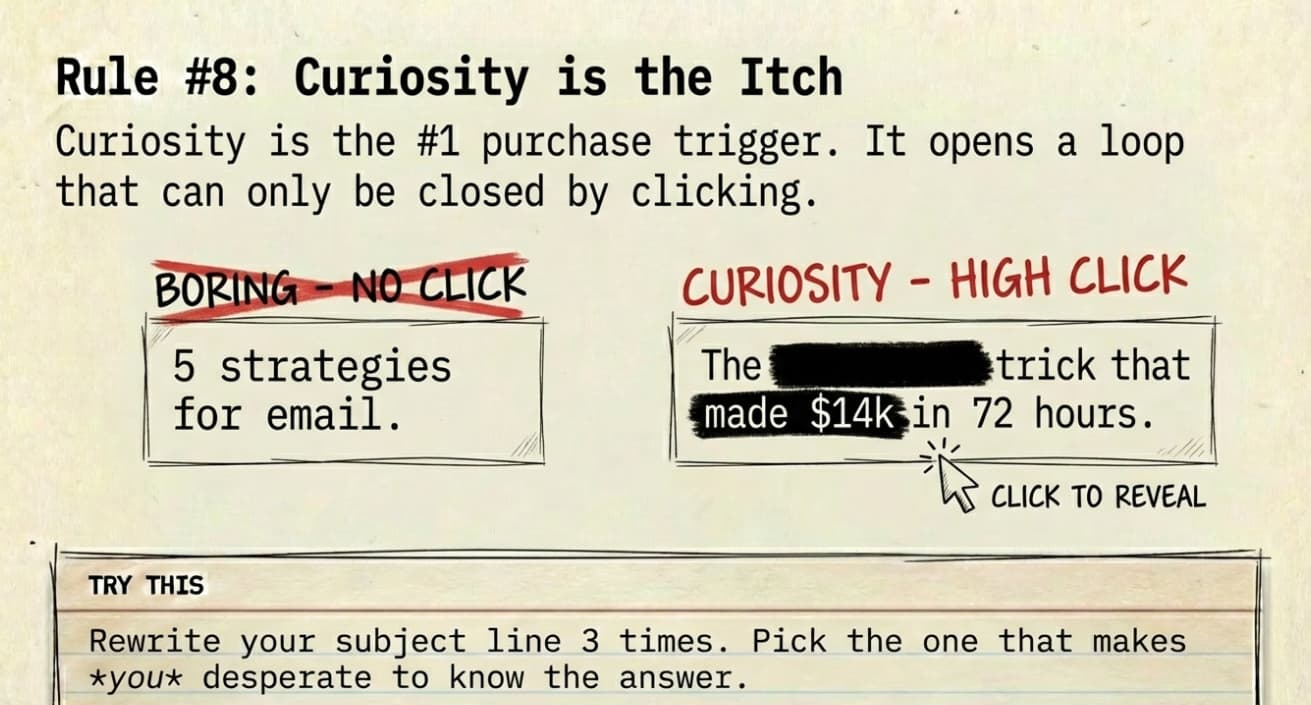
Try this: Rewrite your next email’s subject line three times, each version more curiosity-driven than the last. Pick the one that makes even YOU want to open it.
9. Ethical Urgency: Give People a Real Reason to Act Now
Halbert believed in urgency, but only when it was honest. Fake scarcity destroys trust. Real scarcity drives action.
The difference is simple. “Only 3 spots left!” when you’d happily take 300 clients is dishonest. “I can personally review 15 applications because each one takes me 90 minutes” is genuine. One erodes credibility. The other builds it.
Three types of ethical urgency that actually work:
Capacity limits. “I can only work with 15 clients per quarter to maintain quality.” This is real if it’s true, and it should be.
Time-based deadlines. “The price increases when we release Version 2.0 next month.” This works when the deadline is tied to a real event, not an arbitrary countdown.
Early bird bonuses. “The first 10 buyers get a personal strategy call.” Once 10 people buy, the bonus genuinely disappears.
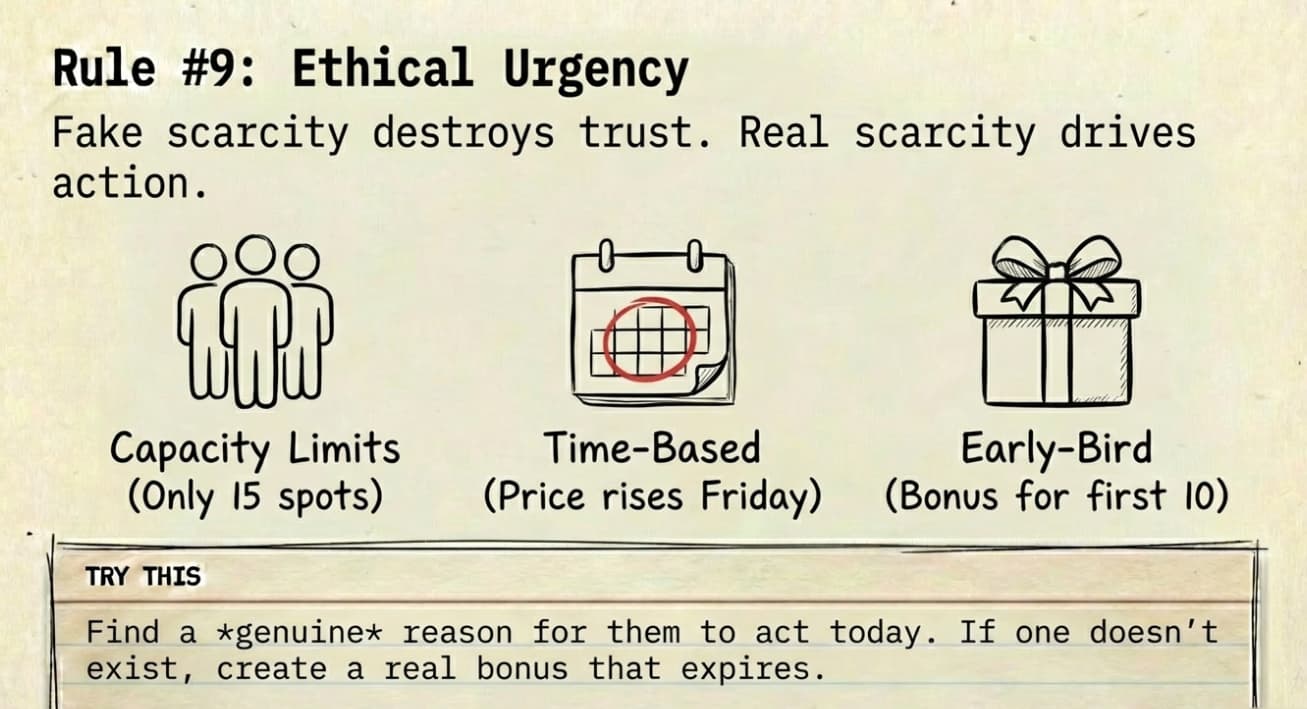
Try this: Look at your current offer. Is there a genuine reason someone should buy today instead of next month? If not, create one. But make it real. Your audience can smell fake urgency from three emails away. If you want to see how urgency fits into a full holiday campaign calendar, we’ve mapped out the whole year.
10. The Power of P.S.: Your Second Headline
Here’s something Halbert knew that most email marketers ignore: people scroll to the bottom before they read the middle. The P.S. is the second most-read part of any email, right after the subject line.
That makes your P.S. prime real estate. It’s your last chance to convert someone who skimmed everything else.
Halbert’s P.S. structure:
P.S. Restate the core offer or the single most compelling benefit.
P.P.S. Add a valuable bonus or strengthen the guarantee.
P.P.P.S. Remind them of the deadline.
I added a three-line P.S. to a client’s abandoned cart email: a restatement of free shipping, a reminder that items sell out, and a direct link. The recovery rate improved by 22%. Three lines. That’s all it took.
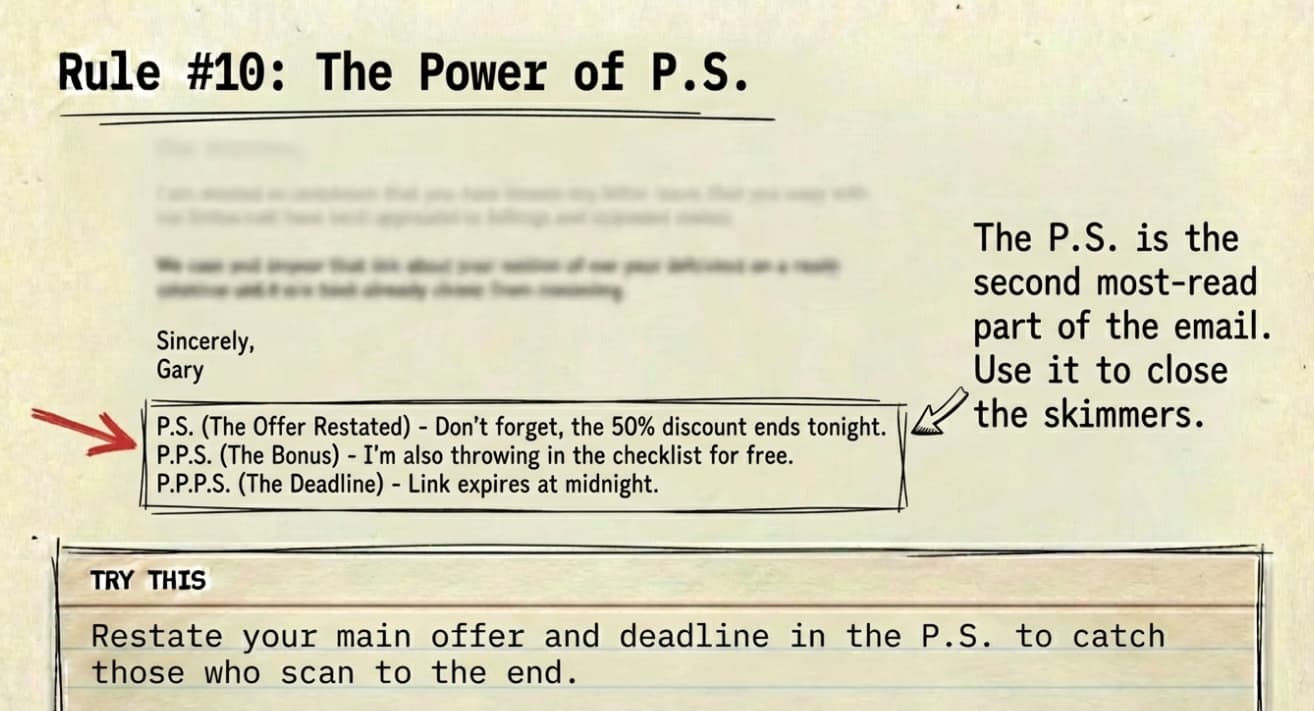
Try this: Add a P.S. to your next promotional email. Don’t introduce new information; reinforce the strongest reason to buy. Keep it under three sentences. Then check your click-through data against the previous version.
Test Everything (Trust Data, Not Opinions)
Halbert was testing copy variations decades before “A/B testing” had a name. He’d mail different versions of the same letter to different ZIP codes and wait for the results. No guessing. No gut feelings. Just data.
His rule: never trust your own opinion. Never trust an expert’s opinion. Trust the numbers.
In practice, this means testing subject lines, offers, prices, and angles systematically. I’ve seen “ugly” emails outperform “beautiful” ones. I’ve watched subject lines I hated generate 3x the open rates of ones I loved. Your instincts about what works are wrong more often than you’d like to admit. Mine are too.
The beauty of modern email marketing is that testing is instant. You don’t need to wait weeks for physical mail to arrive. You can split-test a subject line in 30 minutes and have statistically meaningful results by lunch.
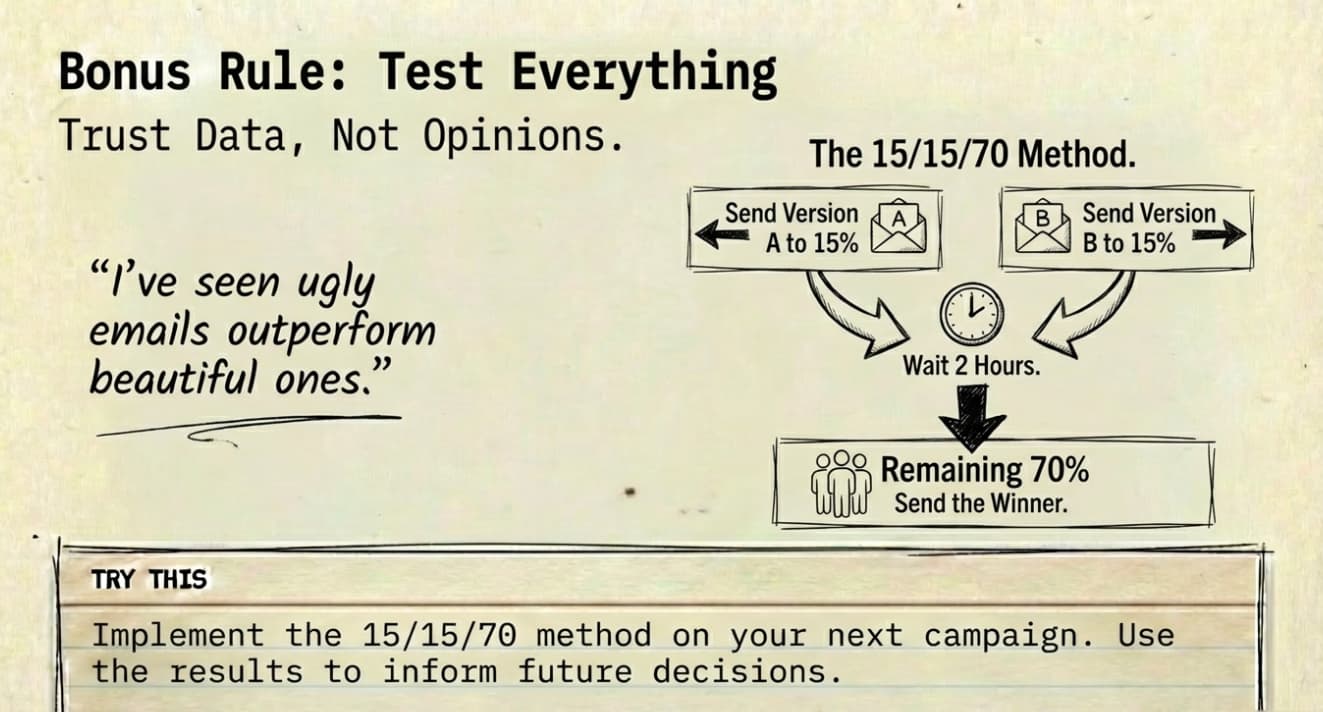
Try this: For your next send, create two subject lines. Send it to 15% of your list. After 2 hours, send the winner to the remaining 70%. Do this every time. Within a month, you’ll have hard data on what your specific audience responds to.
Putting It All Together: The Halbert System
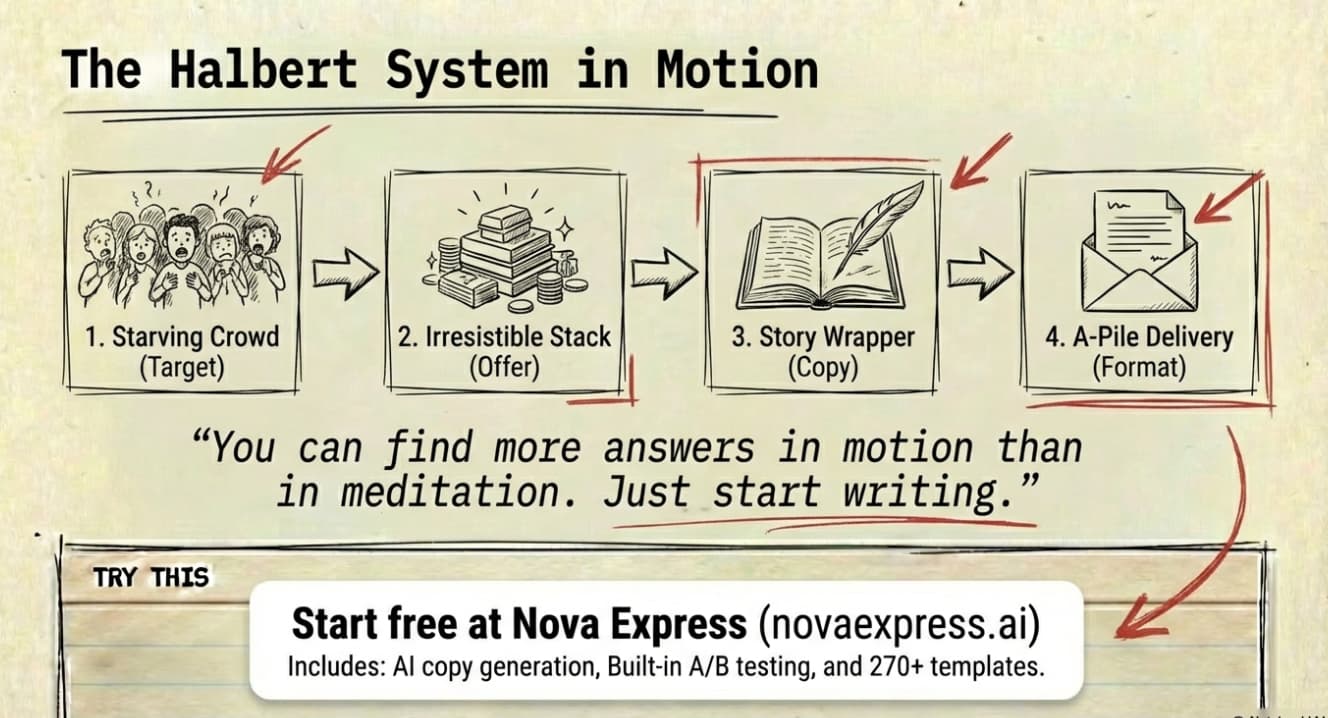
These 10 principles aren’t isolated tricks. If you want to turn this into a single email playbook, run your next campaign the way Halbert would. Start with the market, then stack everything else on top of it. They’re a system:
- Find your starving crowd
- Build a unique mechanism and an irresistible offer stack
- Wrap it in a story with emotional hooks and curiosity-driven bullets
- Deliver it through the “A-Pile”: personal, conversational, formatted for mobile
- Add ethical urgency, a powerful P.S., and relentless testing
Each element reinforces the others. Curiosity gets the email opened. Emotion keeps them reading. Story builds trust. The offer closes the deal. Urgency prevents procrastination. Testing optimizes everything over time.
Your First Steps, Halbert-Style
Here’s how to get started:
- Start a swipe file. Collect every email, ad, and landing page that makes you want to buy. Study what they do. AI tools for marketers can help you analyze and organize patterns.
- Define your starving crowd. What is their deepest, most urgent pain? Write it in one sentence.
- Rewrite your next subject line to land in the A-pile. Make it personal, curious, and human.
- Add a killer P.S. to your next email or landing page. Restate the offer and reinforce the deadline.
- Test two versions of everything and let the data decide.
Halbert’s most famous quote says it all:
“You can find more answers in motion than in meditation. Just start writing.” — Gary Halbert
If Halbert had your toolset, he’d be split-testing subject lines and offers all day long. Here’s where to start.
Ready to put Halbert’s principles to work in your next email campaign?
→ Start free at novaexpress.ai
✓ AI-powered subject line and copy generation
✓ 270+ ready-to-use templates with proven frameworks
Nova Express Resources
Getting Started:
- Customer Pain Points: Why Your Marketing Isn’t Working
- How to Start Email Marketing: Guide for Beginners
- How to Start Your First Email Campaign
- NotebookLM for Marketers
- AI Tools for Marketers
- Nano Banana Pro: The Complete Guide for Marketers 2026
- NotebookLM Infographic: The Complete Guide to Turning Your Data Into Visual Stories
- How Humor in Advertising Boosts Engagement
- 6 Psychology Triggers That Make People Share Your Brand
Boost Your Results:
- 7 Midjourney V7 Prompts for Marketing Ads
- Stop Selling to People Who Don’t Know They Have a Problem
- David Ogilvy Email Rules
- Dan Kennedy’s Email Marketing Principles
- Storytelling elements for high-converting marketing campaigns
Ready to engineer the system? Read the next article in this series:
Why AI Cites Some Brands and Ignores Others: The Citation Stack Explained
Why AI Engines Trust Reddit More Than Brand Content (And How to Change That)
About the Author
Serafima Osovitny is a marketing manager at Nova Express. Passionate about turning complex marketing tactics into simple, actionable guides, she shares insights about email marketing and e-commerce. Follow her on Twitter: @OSerafimaA.








Leave a Comment